A Homeowner’s Guide to Identifying Myrtle Beach Termites

Myrtle Beach termites might be tiny, but they can cause big problems for homeowners. Being able to spot these pesky insects is crucial to protect your home from potential damage. Let’s dive into how to identify termites and distinguish them from similar-looking bugs, ensuring your home stays termite-free.

Chapter 1: What Do Myrtle Beach Termites Look Like?

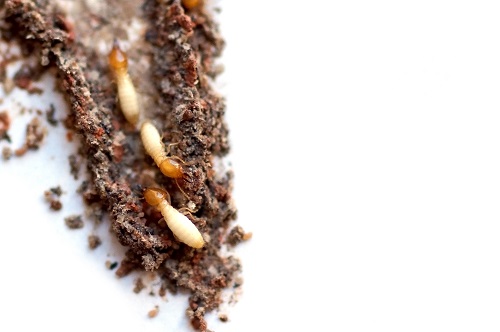
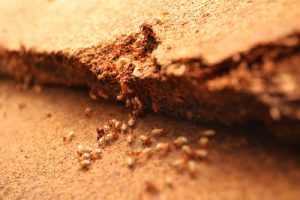
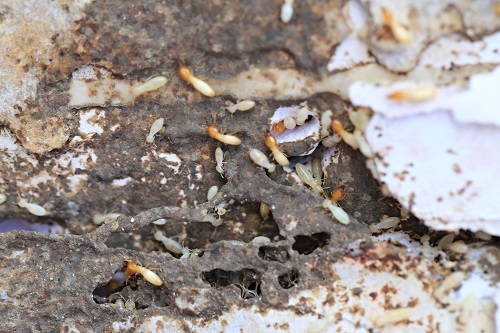
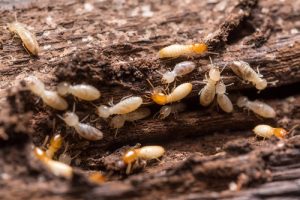
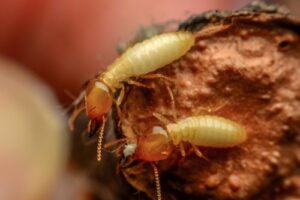
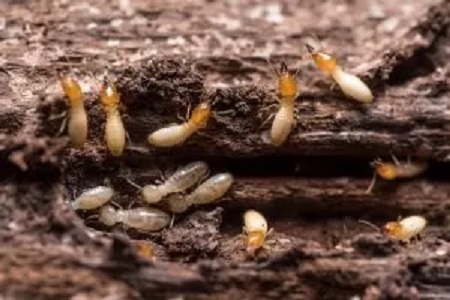
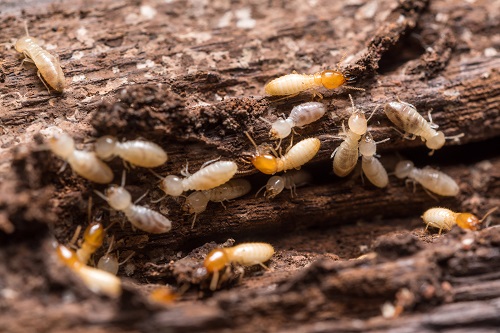
Termites are small, measuring anywhere from one-eighth to one inch in length. They come in various colors: brown, black, or white, depending on their species and role within their colony.

All termites share some common traits, like six legs, two straight antennae, and soft, segmented bodies. In the United States, there are over 40 termite species, but the most common types are subterranean, dampwood, and drywood.

Chapter 2: Subterranean Termites

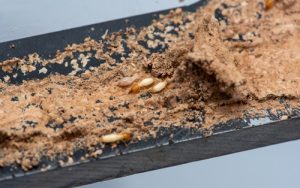
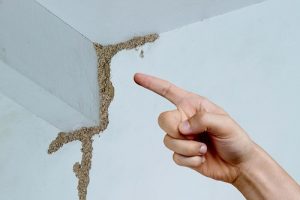
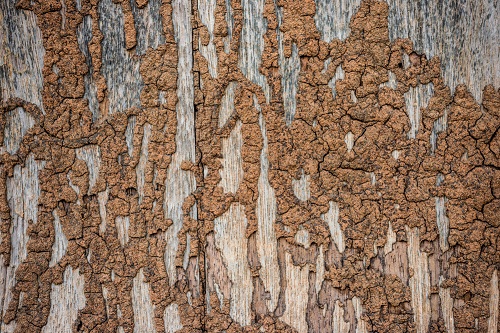
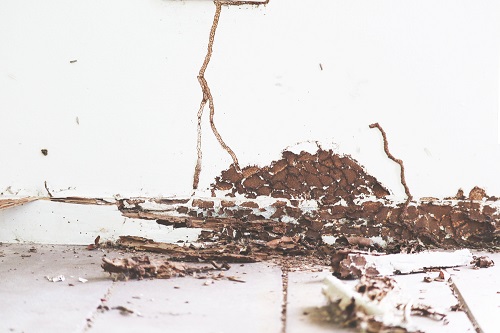
A subterranean termite is often pale cream to dark brown or black. They live underground and need moisture to survive. You may not see them, but you might notice mud tubes they build to move from the ground into your home. Here are their different castes:

Workers: Soft, pale bodies; responsible for finding food, caring for larvae, and nest maintenance.
Soldiers: Larger, darker heads with big mandibles used for defense.
Reproductive Termites: Include kings, queens, and alates. Kings and queens are larger, while alates have wings to start new colonies.

Chapter 3: Damp wood Termites

A damp wood termite is a large termite in Myrtle Beach but have smaller colonies. They nest in damp wood, including rotting timber, and have various colors. Notable members include:

Workers: Larger than subterranean workers with cream-colored bodies.
Soldiers: Impressive in size, with large flat heads and fierce mandibles.
Alates: Easily distinguishable by their two pairs of wings of equal size and shape.

termites-1-1-300x200.jpgChapter 4: Dry wood Termites

A dry wood termite, found in humid coastal areas, doesn’t require soil or mud tubes. They obtain moisture from the air or the wood they inhabit. Their colonies are smaller, and they live within the wood. Look out for:

Workers: Cream to white in color, similar to subterranean workers.
Soldiers: Larger than their subterranean counterparts, with dark orangish-brown heads.
Alates: Recognizable by amber-colored heads, dark brown abdomens, and smoky gray wings.

Chapter 5: Signs of Termite Activity

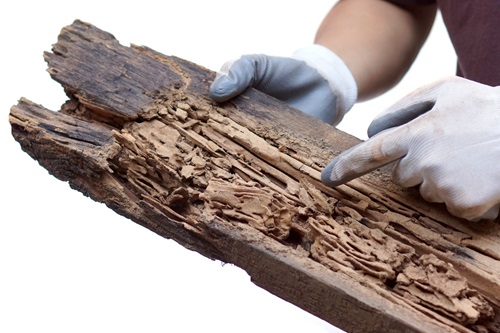
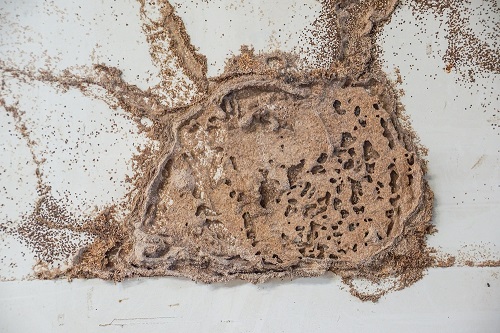
Seeing termites is rare, even with an infestation. Instead, watch for signs such as discarded wings, mud tubes outside your home, or piles of termite feces (frass) near tiny holes. If you notice these indicators, it’s time to seek professional termite treatment in Myrtle Beach.

Chapter 6: Termites vs. Ants

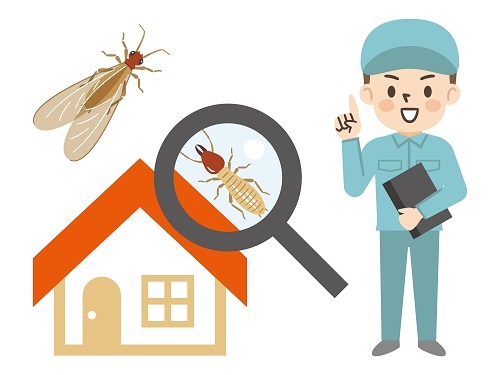
People often confuse Myrtle Beach termites with ants, especially during swarming events. To differentiate, remember that ants have bent antennae, two sets of wings of different lengths, and three distinct body segments. Myrtle Beach termites have straight antennae, two sets of equal-length wings, and less distinct body segments.

Chapter 7: Taking Action

If you suspect a termite infestation, don’t delay. Contact pest control professionals in Myrtle Beach to assess and address the issue promptly. Protect your home from these tiny but troublesome invaders.

Don’t let termites bug you! Keep your home safe by staying vigilant and seeking professional help at the first sign of trouble. Call Zap Pest Control Inc. now. 

Zap Pest Control Inc.
2507 Forestbrook Rd Suite G
Myrtle Beach, SC 29588
843-654-1927
http://zappests.net

Areas Served: Surfside Beach SCCarolina Forest SC, Conway SC, Little River SC, North Myrtle Beach SC, Socastee SC, Myrtle Beach SC

What Could Be Attracting Termites to Your Home?

As homeowners, we all want our homes to be welcoming and cozy for guests. But there’s one kind of guest we definitely don’t want to invite in – termites. Termites are troublemakers that can cause a lot of damage to homes and businesses every year.

Since your home is probably your biggest investment, it’s essential to protect it. That means understanding what termites find attractive and how to keep them away. Here, we’ll share some tips on preventing termites from turning your home into their new hangout spot.

Termites really like wood. Depending on the kind of termite, they can be into dry wood or moist wood, and some don’t even care – they’ll chomp on any wood they find tasty. Sometimes, we unintentionally invite termites into our homes by bringing in firewood or untreated lumber. Even using wood for different things around the house can be an open invitation for these little critters.

Reasons Why You Have Termites At Home

Wood Mulch

Termites love wood mulch because it retains moisture, making it a tasty treat for them. If it touches the foundation of your home, it can give termites an easy way in. To lower your risk of termites, try using less wood mulch, and keep it away from your foundation. Check your mulch regularly for any signs of termites.

Landscaping Timbers

If you have landscaping timbers lying on the ground, they can become moist, making them a perfect hangout spot for termites. Using treated wood or alternatives like stones or bricks can prevent termite trouble.

Storing Wood Near the House

Storing wood, like firewood or piles of wood, close to your home is convenient, but it’s also convenient for termites to make their way into your house. It’s recommended to store firewood at least five inches above the ground and at least 20 feet away from the house.

termites-2-300x188.jpgDead Trees and Stumps

In the wild, termites play a role in getting rid of dead wood. But when there’s dead stumps or trees in your yard, termites can set up camp there and later pay a visit to your house. It’s a smart move to clear away any dead wood from your yard before it becomes a termite hotspot.

Untrimmed Trees and Shrubs

When you don’t trim your trees and shrubs, you might be creating a termite highway. Tree limbs touching your roof or branches touching your wood siding can become pathways for termites to breach your home. Additionally, too many tree limbs can block sunlight from your roof, slowing down the evaporation of moisture.

Now, let’s talk about moisture. Termites not only like moisture – they need it to survive. They are fragile insects that can easily die if exposed to dry air. That’s why some termites use mud tubes to travel from their nests to your house, to keep themselves from drying out in the open air. There are sources of moisture in your home that you can control and that may be attracting termites.

Warning Signs For Termites:

Leaks and Excess Moisture:

If you have plumbing or air conditioning leaks, or if certain rooms in your home lack proper ventilation (like your bathroom or laundry room), the moisture can attract termites. Make sure to fix any leaks promptly and control the humidity in your home.

Poor Drainage:

Standing water due to poor drainage can also create a termite problem. Clogged gutters or improper yard grading can lead to water pooling, which is a magnet for termites. Prevent these issues by cleaning your gutters, directing downspouts away from your foundation, and ensuring your yard slopes away from your home.

Damp Crawl Spaces and Basements:

These spaces are often damp, making them ideal for termites. To prevent an infestation, waterproof your basement or crawl space and keep the humidity in check. Avoid storing items in cardboard boxes in these areas, as cardboard contains cellulose, which termites love to eat.

pest-control-1-300x199.jpgHow can you tell if termites have taken a liking to your home? Look out for signs of a termite infestation. While you may not always spot the termites themselves, there are clues to watch for:

  • Swarming Termites: Keep an eye out for swarms of termites or their discarded wings around your home. This could indicate a termite presence.
  • Mud Tubes: Subterranean termites build mud tubes to travel from their nest to your house for food. If you see these tubes on the exterior of your house, it’s a strong sign that termites have moved in.
  • Damaged Wood: Notice any wood that seems damaged or sounds hollow when you tap it? This could be a result of termite activity.
  • Small Holes: Sometimes, you might find small holes in your baseboards, wooden floors, or other wooden structures in your house. These can be a sign of termites at work.
  • Frass: Termites leave behind droppings called frass, which resembles sawdust. If you come across this around your home, it’s another indicator of termite activity.

What To Do Next?

If you observe any of these signs, it’s crucial to seek professional pest control services in Myrtle Beach. Termites can cause significant damage, so it’s best to address the issue promptly.

When you need termite treatment, it’s best to team up with experts known for top-notch termite control services. At Zap Pest Control Inc., we’re recognized for our expertise in termite control. We perform termite inspections to make sure your home is termite-free and work diligently to keep it that way.

Our team use treatments that are environmentally friendly and have a low impact on nature. Additionally, we diagnose and treat infestations with effective methods and unbeatable warranties, solving your termite problems efficiently. With our experienced team, advanced technology, and highly trained staff, we’re the leaders in termite control. We understand that your home is your most valuable asset, so we’re committed to delivering excellent service and implementing best practices to solve your termite issues.

Ready to take action against termites? Zap Pest Control Inc. help you keep your home termite-free. With our expertise and your vigilance, you can protect your investment and have peace of mind.

Call Zap Pest Control Inc.Trust us to make your home free of termites and other types of pests.

Like our Facebook page for more information about pest control services.

Zap Pest Control Inc.
2507 Forestbrook Rd Suite G
Myrtle Beach, SC 29588
843-654-1927
http://zappests.net/

Areas Served: Surfside Beach SCCarolina Forest SC, Conway SC, Little River SC, North Myrtle Beach SC, Socastee SC, Myrtle Beach SC

Myrtle Beach Termites: The Sneaky House Destroyers

Myrtle Beach termites are often referred to as the silent destroyers of homes, and for good reason. These tiny insects, although individually small, can wreak havoc on a property when they work together as a colony.

What makes them particularly concerning is their ability to silently eat away at the very structure of your home, including its foundations and walls.

The damage caused by termites can be extensive and costly to repair, and in many cases, homeowners may not even realize they have a termite problem until it’s too late.

Here are some key facts to help you understand and deal with the threat of Myrtle Beach termites:

Myrtle Beach Termites Can Live Above Ground

While many people associate termites with living underground, not all termite species do. Some, like the Conehead termite, live above ground and can be mistaken for ants due to their behavior. This means that even if you don’t have a basement or crawl space, your home could still be at risk of termite infestation.

Termites Never Stop Eating

Myrtle Beach termites have an insatiable appetite for wood and can feed continuously without ever feeling full. Research has shown that a termite colony can consume wood equivalent to a cup of sawdust in just two hours. This voracious eating can lead to significant structural damage in a relatively short amount of time. So, you must hire a Myrtle Beach pest control expert before it’s too late.

Termites Work Together

termites-2-300x200.jpgTermites in Myrtle Beach are highly organized insects that function as a cohesive unit within their colonies. They exhibit what scientists call “swarm intelligence,” where the needs of the entire colony take precedence over individual desires.

This collective behavior makes them highly efficient at tasks like foraging for food and building and maintaining their nests.

Different Roles in the Colony

Within a termite colony, there are different roles assigned to individual Myrtle Beach termites. Workers are responsible for tasks like scavenging for food, maintaining the colony’s nest, and caring for eggs.

Soldiers protect the colony from threats. Nymphs are young termites that will eventually become workers. Reproductive termites are responsible for establishing new colonies and have wings to facilitate their dispersal.

To protect your home from termite damage, regular inspections by a professional pest control company are crucial. Termites can target both old and newly constructed homes, and early detection is key to preventing extensive damage.

Once Myrtle Beach termites have caused damage to wood, it is often irreversible, and the cost of repairs can be substantial. Therefore, taking preventive measures and addressing termite issues early is the best approach to safeguarding your home’s structural integrity and ensuring the safety of your family.

Professional pest control experts like Zap Pest Control Inc. can conduct thorough inspections of your property and implement effective treatments using safe and proven termiticides. Regular inspections and proactive measures are a wise long-term investment to keep your home termite-free and secure for years to come.

Take action now to protect your home from these silent yet destructive invaders. Call Zap Pest Control Inc. now.

Zap Pest Control Inc.
2507 Forestbrook Rd Suite G
Myrtle Beach, SC 29588
843-654-1927
http://zappests.net/

Areas Served: Surfside Beach SCCarolina Forest SC, Conway SC, Little River SC, North Myrtle Beach SC, Socastee SC, Myrtle Beach SC

How to Protect Your Home from Myrtle Beach Termites

Myrtle Beach termites might be tiny, but they can cause big problems for homeowners. These wood-loving pests can silently and steadily munch their way through the structure of your home, causing extensive damage that can be expensive to repair.

To prevent these unwanted guests from infesting your home, here are some essential tips:

Preventing Myrtle Beach Termites From Invading Your Home

Keep Wood Away

Myrtle Beach termites feed on cellulose, which is found in wood and wood-based products. Storing firewood, lumber, or other cellulose materials next to your house can provide termites with easy access to their food source and potentially create a pathway into your home. To minimize the risk of a termite infestation, store wood products several feet away from your house and try to keep the woodpile elevated off the ground.

Address Moisture and Drainage Issues

Termites need moisture to live, and incorrect drainage around your home can create the best conditions for them. Make sure your downspouts are directing water away from your house. Check that faucets and air conditioner drip lines aren’t causing water to accumulate near your home’s foundation.

Clogged gutters and leaves collecting on the roof can also be inviting to Myrtle Beach termites. Clogged gutters can cause water to back up, while decomposing leaf debris can create a humid environment, which is perfect for airborne termites.

termites-2-1-300x200.jpgRemove Mulch from the Foundation

Wood mulch can enhance the appearance of your landscaping. But if used excessively, it can create an environment that Myrtle Beach termites find irresistible. To avoid this, maintain a distance of at least 4 inches between the mulch and your home’s foundation. Be particularly cautious about mulch coming into contact with the framing of doors, siding, or windows.

Trim Trees and Bushes

Overhanging tree branches and overgrown bushes can provide shelter for termites. However, they trap moisture against your home, and offer an easy entry point for various pests, including termites. Trees that hang over your house can drop leaves onto the roof and gutters, leading to moisture issues that can attract termites in Myrtle Beach.

Seek Professional Pest Control

While the previous steps can make your home less appealing to termites, the most effective way to eliminate them is to enlist the help of a pest control specialist. Schedule an annual inspection and treatment of your home by a professional like Zap Pest Control Inc. These experts can identify and address termite issues promptly, preventing minor problems from escalating into major infestations.

By following these Myrtle Beach pest control guidelines and being proactive in your termite prevention efforts, you can safeguard your home, protect your investment, and ensure a termite-free living environment for years to come. Remember that prevention is key when it comes to termites, as taking action now can save you from costly repairs and the stress of dealing with a termite infestation in the future.

Call Zap Pest Control Inc. now if you’re looking for effective solutions for getting rid of pests from your home.

Like our Facebook page for more information about pest control services.

Zap Pest Control Inc.
2507 Forestbrook Rd Suite G
Myrtle Beach, SC 29588
843-654-1927
http://zappests.net/

Areas Served: Surfside Beach SCCarolina Forest SC, Conway SC, Little River SC, North Myrtle Beach SC, Socastee SC, Myrtle Beach SC

Why It’s Important to Check for Termites When Buying a House

If you’re buying a house, that’s fantastic news! Whether it’s your first home or a new place to live, it’s an exciting time. But what’s not so exciting is moving into your new home and discovering it has serious damage from termites and other wood-destroying insects like carpenter ants. Unfortunately, most insurance doesn’t cover termite damage. However, if you notice signs of termite activity in your potential new home, you can request repairs and termite treatments.

How Termites Can Harm Your Home

Myrtle Beach termites munch on the cellulose found in wood, causing over $5 billion in property damage annually. They chew through wood, flooring, and even wallpaper as they search for food. This kind of termite activity can damage a house’s foundation and structural support, leading to costly repairs, often in the thousands of dollars.

Multiple termite colonies can live on one acre of land, which means millions of termites could potentially access your home at any time. In the United States, subterranean termites and drywood termites are the most common species and can cause significant stress to your home.

The parts of a house that termites commonly target include slab foundations, places where wood makes contact with soil, and challenging-to-access crawl spaces. These spots tend to have extra moisture, making them attractive to termites.

Getting a Termite Inspection Before Buying

Before you settle into your new home, it’s essential to arrange for a home inspector to carry out a termite inspection. This step helps you steer clear of unforeseen expenses and damages. Termite damage isn’t always easy to spot without a trained eye, but experts in termite detection are well-versed in what to watch for.

termites-2-300x200.jpg

Even if you hadn’t initially planned on having a termite inspection, your choices may be limited depending on how you’re buying your home. In many cases, a termite inspection is a mandatory part of finalizing a real estate deal, and certain mortgages, like FHA and VA loans, may hinge on the extent of any required repairs.

Thankfully, these inspections are relatively affordable compared to the potential thousands of dollars in damage you could face if you don’t check for termites before closing.

What to Expect During a Termite Inspection

termite inspection is different from a standard home inspection because it evaluates the physical structure of your home, from the roof to the foundation. Termite inspections, when done by a professional, usually take about an hour. The process is relatively hands-off for the homeowner and prospective buyer.

Throughout the inspection, a termite expert will meticulously inspect and investigate your home from the attic down to the basement in search of any indications of termite-related harm. The inspector will give special consideration to spots susceptible to termite-induced wood damage, including wood flooring, door frames, baseboards, and window sills. Indications of termite damage might may include the following:

  • Swollen ceilings and floors
  • Warped wood
  • Water damaged areas
  • Visible tunnels in furniture or walls
  • Hollow structures producing a slight echo when you tap it with a screwdriver
  • Mud tubes running along walls or hanging from ceilings

termite-2-300x200.jpgThe pest inspector will also look for other indicators of a termite infestation, like termite droppings (called frass) or discarded termite wings. After completing the inspection, the specialist will provide a termite inspection report, detailing any infestations found and estimating the cost to exterminate the termites.

Treating a Termites

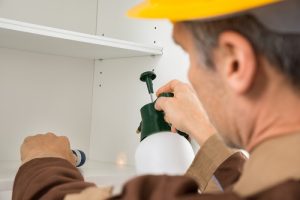
Once a termite inspector provides a cost estimate for termite extermination, a pest control company will need to perform termite treatment. This typically involves drilling holes to apply concentrated liquid treatment or spraying insecticide to eliminate the termite colony. In certain situations, your exterminator might use bait stations. At Zap Pest Control Inc., we use Termidor, one of the most effective termite treatments available.

After treatment, the seller will need to assess the damage and likely work with a pest control contractor in Myrtle Beach to make repairs. Unfortunately, these costs can add up, especially if they involve extensive demolition and replacing structural supports. However, if you schedule the inspection before buying, the seller is typically responsible for these repair costs – not you. Alternatively, you can choose not to proceed with the purchase if the termite damage is too extensive.

If you don’t have a termite infestation or simply want to avoid the hassle termites can cause, there are Myrtle Beach pest control measures you can take, including:

  • Maintain a dry environment and channel water away from your house.
  • Keep wood piles and mulch at a distance from your home’s foundation.
  • Keep an eye out for early indications of termites and termite damage, including discarded droppings, swarmer wings, mud tubes in basements and crawl spaces, and warping on wooden surfaces.
  • Arrange for your termite home inspection.

A licensed, professional pest inspector should handle your termite inspection. At Zap Pest Control, we specialize in inspections ideal for identifying termite problems. If you’re in the process of buying a new home, consider scheduling an inspection to avoid surprises related to termite damage. Or, if you suspect you may have termites at your current residence, we offer free inspections and termite control solutions.

Call Zap Pest Control Inc. now and let our team of experts get rid of the termites from your home.

Like our Facebook page for more information about pest control services.

Zap Pest Control Inc.
2507 Forestbrook Rd Suite G
Myrtle Beach, SC 29588
843-654-1927
http://zappests.net/

Areas Served: Surfside Beach SCCarolina Forest SC, Conway SC, Little River SC, North Myrtle Beach SC, Socastee SC, Myrtle Beach SC

Learn More About Myrtle Beach Termites

Myrtle Beach termites continually cause damage to many homes, making them a top concern among residents. Termites can easily destroy a home, especially if not treated and resolved immediately. What’s worse is that their presence is often challenging to confirm.

In fact, many homeowners only realize they have a termite infestation when the problem has worsened, particularly when termites have damaged a portion of their walls or foundation.

According to expert in pest control Myrtle Beach, the key to resolving a termite infestation is increased knowledge. Learning more about termites will help homeowners identify whether they are dealing with termites or not. This also helps them effectively ward off termites from infesting their homes.

Facts about Myrtle Beach termites

More than 4,000 species of termites are lurking around the world, with 50 of these in North America. Each species has different characteristics and traits. Some can cause damage in minutes, while others are skilled at hiding and staying unnoticed. Despite this, there is only one termite species in South Carolina, and that is the Eastern Subterranean Termites.

Knowing what type of termite you are dealing with will help you and the pest control experts effectively eliminate them. Keep in mind that different species of termites require different pest control and management methods.

On a nationwide level, the damage that termites cause can cost more than the combined damage from all natural disasters – including wind, hail, hurricanes, and tornadoes – in one year. This is why it is highly recommended for homeowners to educate themselves and increase their knowledge about termites.

Recent reports indicate an increase in termite infestations in many homes. This is based on the rise in the number of calls for assistance that local pest control experts, like Zap Pest Control Inc., have received.

Most often, the first sign of termite infestation is when you see a swarm of flying termites coming out of your walls, trim, and floors. This frequently happens when you punch a hole in the wall to hang your decorations and paintings or accidentally damage your flooring. These areas are where termites often hide. Thus, a small hole in these areas will disturb the termites and cause them to emerge.

termite-2-300x200.jpgWhen this happens, you should immediately call a local pest control expert, even if you are not sure whether it is a swarm of flying termites or flying ants. The most important thing is for a professional pest control specialist to arrive at your home as soon as possible to confirm and control the situation.

Termites have the ability to remain hidden and unnoticed for years, slowly and quietly consuming parts of your home. Thus, the only way for you to confirm their presence in your home is if they come out of their hiding places. Unfortunately, this only happens when their colony is mature, and this can take several years.

However, there is another way to determine whether or not you have a termite infestation at home. You can conduct an overall termite inspection. All you have to do is routinely check for signs of termite presence in your home. These signs primarily include sawdust at the bottom of beams and the foundation, as well as a hollow sound when knocking on walls and beams. For better results, you can opt to hire a professional for yearly termite inspections.

Pest Control Tip: How to Get Rid of Them

The key to successful pest control in Myrtle Beach is knowledge about the specific type of pest you are dealing with. In this article, you’ll learn about a different type of termite, unlike the common termites that damage your home’s foundation. However, this specific type of termite is also common in every home, so it’s essential to understand how to deal with them.

Introducing: Dry-Wood Termites

What differentiates dry-wood termites from common termites is that they do not live underground. They are often found in wood sidings, wood supports in the attic, and roofing as well. They also tend to infest crawlspaces, specifically those near your attic. They are commonly found eating the following:

  • Wood molding, particularly your windows’ and doors’ framing.
  • Wood siding and roofing.
  • Eaves and overhangs.
  • Joints and crevices around your doors.

Pest control experts in Myrtle Beach say their swarming season is from September to November. The best time for them to swarm and mate is when there has been a sudden, drastic change in temperature, particularly from cold to warm or hot.

termites-2-300x200.jpgDetecting the presence of dry-wood termites in your house can be challenging. This is because of their ability to build a chamber inside the wood and stay there for more than a year. They do this by excavating a tunnel inside the wood and closing it once they are inside. They will stay inside the wood for as long as necessary.

If they cannot find wood to infest, they can also suppress their hunger and stay dormant for an extended period. They often only go out to find a source of food that they can invade. Oftentimes, they return to the same wood they’ve infested before.

How to tell if you have dry-wood termites inside or near your home:

A hollow sound coming from your wooden foundation after knocking on it. This indicates that the termites have succeeded in eating the inside of the wood. You need to hire termite control services.

Visible damage to the wood that appears to be carved out. If you try to pick a hole in the wood, you can easily do so, even with a blunt pocket knife or screwdriver.

Piles of dust and debris near your walls, door and window frames, and foundation. If the dust resembles coarse sand grains, it likely consists of termite fecal matter.

Accumulation of insect wings on your window sills. This means that termites are swarming to get inside your house or to move to another hiding place inside your home.

If you’re looking for a pest control expert to help you eliminate Myrtle Beach termites, call Zap Pest Control now.

Like our Facebook page for more information about pest control services.

Zap Pest Control Inc.
2507 Forestbrook Rd Suite G
Myrtle Beach, SC 29588
843-654-1927
http://zappests.net/

Areas Served: Surfside Beach SCCarolina Forest SC, Conway SC, Little River SC, North Myrtle Beach SC, Socastee SC, Myrtle Beach SC

How To Get Rid of Swarmer Termites

Although termites can benefit the environment, they can be silent destroyers to your home’s structural integrity. They cause extensive damage before you realize there is a problem. The average homeowner will spend approximately $3,000 in repairs once they realize there is a termite problem. These insects cause around $5 billion in damages in the U.S. annually.

Swarmer termites in Myrtle Beach can signal an infestation with discarded wings or visible insects around your home. It’s essential to take measures to avoid these insects and take action the second you see signs of them.

Swarmer Termites: All You Need to Know

Here are some specifics to help identify this pest.

What Do Swarmer Termites Look Like?

Swarmer termites are black, dark brown, beige, red, or tan, depending on the species. They have six legs and straight antennae.

Unlike other insects, these pests have a thick, elongated body section without segments.

Swarmer termites sport four wings, each of equal shape and size. These wings are double their body size, are see-through without color, and have a veiny appearance.

Once termites mate, they drop their wings.

Swarmer Termite vs Flying Ant

Swarmer termites have straight antennae. On the other hand, flying ants’ antennae have a bend in them. Swarmer termites are also easily distinguished by their thick, broad one-section body. Alternatively, flying ants have a pinched waist that separates the thorax from the abdomen.

Although both swarmer termites and flying ants have wings, they appear differently. These troublesome termites will have two sets of wings of equal size. Their wings are double their body size. In addition, they will be see-through and have a vein-like appearance.

Flying ants will also sport two sets of wings, but the front set will be larger than its back set. These wings are brown and more proportionate to the ant’s body size.

If you are unsure which pest plagues your home, the professionals can help you quickly identify your problem.

termites-2-1-296x300.jpgAre Swarmer Termites Dangerous?

Homeowners may be concerned with their safety if they face termite problems. So naturally, not knowing what an insect is capable of can be nerve-wracking. Thankfully, swarmer termites aren’t a health risk and do not often bite humans.

Still, these common pests can harm your home’s structural integrity and cause extensive damage. If they go unnoticed and untreated, there can be a risk to personal safety and bring an expensive repair bill to a home where swarmer termites reside.

Termites can enter a home through air vents, cracks in the exterior, or by eating through wood features. They feed on items that contain cellulose, including wood items and paper products, to get energy and reproduce.

Swarmer Termite Season

Swarming is a necessary stage of the termite’s lifecycle. It is the time when termites reproduce when they have outgrown their current colony and need to expand elsewhere. Swarms contain both male and female termites. Depending on the colony size, they may consist of hundreds or even thousands of insects.

It will typically happen after rainfall on a warm spring day without wind. These conditions are ideal for finding a mate and growing a new colony.

The subterranean termite’s swarming season happens only once per year, usually during the spring and early summer months. Still, some species of termites will swarm in the late summer and early fall.

Thankfully, termite swarms do not last long and are over after 30 to 40 minutes. However, this short period is significant enough for these pests to find their mate and a new place to call home.

Do’s and Don’ts During Swarmer Termite Season

Being proactive during swarmer termite season can ensure you catch an infestation before it becomes disastrous. You may also be able to prevent termite activity from entering your home at all.

Do’s:

  • Include the exterior when checking for termites. Inspect any cracks or holes for discarded wings, droppings, or dead insects.
  • Vacuum up any termite swarmers that you see. You can discard the vacuum bag or canister contents in the trash.
  • Call local pest control when you spot swarmer termites. Seeking a professional pest control service is the best action to ensure the problem is resolved.

Don’ts:

  • Don’t remove or open walls. Sustaining the integrity of the structure is critical for effective treatment.
  • Don’t spray the swarmer termites. Watching them will indicate where they are coming from or entering a home for further treatment.
  • Don’t delay taking action because the longer you wait, the more damage they can cause.
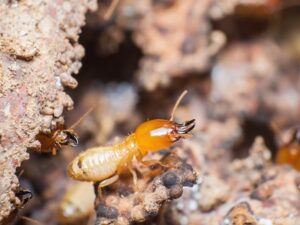
termite-inspection-300x225.jpgHow to Get Rid of Swarmer Termites

Although spotting winged termites can be problematic, worker termites are the ones that do the real damage. Getting rid of swarmer termites is not a simple job. Someone who attempts the task alone may miss the workers, that will continue to cause harm.

Additionally, many homeowners find the task overwhelming to complete themselves. Having the help of a professional will mean that it is done properly. A trained pest control technician uses comprehensive methods to ensure that the entire colony is treated and removed rather than just the ones you see.

If you want to try some methods on your own, here are some techniques that may provide some relief:

  • Direct Sunlight or Freezing Method: If the infestation is within an item like a chair or shelf, remove it from the house. Put it in direct sunlight or a freezer for several days.
  • The Cardboard Trap: Use two pieces of cardboard, wet them, and stack them on top of each other in a place where you have an infestation. It will attract termites; when it contains pests, remove it and burn it safely. You can repeat this process, but it will not eliminate the colony.
  • Use Boric Acid: Homeowners can coat bait stations or cardboard traps with boric acid. It will attack their nervous system and dehydrate them when eaten, resulting in death.

Do Swarmer Termites Indicate an Infestation?

If you see swarmer termites, it may not mean that your home has an active infestation, but it is concerning. Swarms indicate that a colony is nearby. If you do not care about the problem, you may quickly have an issue with these pests in your home.

The time of day swarmer termites make their debut will depend on their species as some prefer warm daytime hours, while others come out at dusk.

New colonies will be small and take time to grow and mature. On average, a colony is large enough to start creating swarms after five years. Unfortunately, a building might be damaged before homeowners even see a swarm.

Signs of a Termite Infestation

If you know what to look for, you can identify a termite infestation sooner rather than later.

Discarded Wings: You may find dropped wings around window sills, doorways, or other areas of the home.
Frass: This is the excrement from termites that resembles loose sawdust.
Hollow Wood: Tapping on window sills or baseboards that sound hollow can indicate termites eating through the wood.
Mud Tunnels: These come from the soil to the colony and combine mud, termite saliva, and wood. They protect the termites as they move.
Wood Damage: Termite damage often resembles water damage on wood areas. It is similar to rot but will have dry and hollow holes within the wood.

Say Goodbye to Swarmer Termites!

Unfortunately, if you spot swarmer termites near your home, it often means that a mature termite colony is near. An established colony with swarms will mean that these pests have been around for years, causing damage.

Because signs of termites can go undetected for a long time, finding a solution is critical once you recognize a problem. Contact Zap Pest Control Inc. today so we can do a proper termite inspection and help determine how much damage you are facing. We’ll get rid of your termite problem in no time.

Like our Facebook page for more great info about pest control services.

Zap Pest Control Inc.
2507 Forestbrook Rd Suite G
Myrtle Beach, SC 29588
843-654-1927
http://zappests.net/

How to Protect Your Home from Termites in a Foolproof Way

All kinds of people seem to be drawn to the lifestyle. Unfortunately, termites are also attracted to this lifestyle. Everyone has heard of termite damage. You probably know that termites can cause damage to your home. There are many misconceptions about termites. What you don’t understand could cost you a lot of money.

It can take termites up to one year and a quarter to cause serious damage to your home. Subterranean termites are the most damaging and effective termites that can invade your house. They cause homeowners $3,000 worth of damage in 18 months.

Drywood termites and other termites that prefer to feed on wood that is not damaged will typically cause the same amount of damage within two years. Ultimately, termites are expensive but can be avoided if you detect an infestation early.

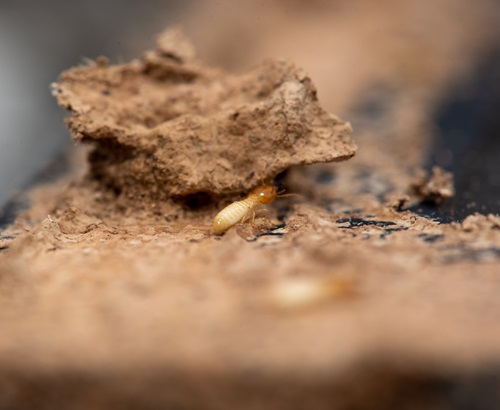
It is difficult to detect worker termites. The termites that are eating your house away will not be visible to you, but there may be other signs. Subterranean termite invasions are usually characterized by the following:

Mud tubes are typically found at the base of your home’s foundation walls, either on the exterior or in the basement.

Tightening the frame around your windows and doors: If you find opening or closing them difficult, termites may have caused internal damage.

When potential enemies threaten soldier termites, they may make clicking noises to warn the other termites.

Damage to wood that is visible: This can be seen in outdoor areas, especially in wooden fences and decks.

termites-2-300x200.jpgYou’ll see many of the same symptoms if your home has been infested by dry wood termites. The mud tubes are an exception. Drywood termites are not subterranean, and so do not create tubes on the foundation walls. Frass is excrement and sawdust that they leave behind as they dig their tunnels.

Do not try to eliminate termites alone if you see any of these symptoms. This will only lead to a prolonged infestation. Call a pest control expert instead of buying store-bought products that are rarely effective.

Ways To Avoid Termites

There are many ways to prevent an infestation.

Properly maintaining your lawn can reduce the clutter and moisture that attract termites. Controlling moisture problems in your home can reduce the chances of an insect infestation. Termites will be repelled by storing firewood, wood and other materials up and away from your house. By creating a barrier of pine straw, or gravel around your home, you can prevent termites from entering.

When done correctly, professional pest control in Myrtle Beach will protect your house from termites more effectively than any other method. One method will guarantee to keep termites out of your home. Is it worth risking thousands of dollars to DIY termite control?

Don’t let the health of your house be at risk. Professional termite control is key to termite control and prevention.

Call Zap Pest Control Inc. today to learn more about our guaranteed termite prevention methods.

Like our Facebook page for more great info about pest control services.

Zap Pest Control Inc.
2507 Forestbrook Rd Suite G
Myrtle Beach, SC 29588
843-654-1927
http://zappests.net/
Spring Pest Control: All About Termites

Termites can spell disaster for unsuspecting homeowners. Without detection, they silently devastate structures and property while accumulating costly damage over time – making termite prevention essential!

Challenges Brought on By Termites

Springtime brings unique challenges for homeowners and property managers alike, as it is the season when termites are most likely to swarm. During this period, mature colonies can dispatch swarmer adults equipped with wings – ready to reproduce elsewhere and form new colonies.

The exact timing of a colony’s migration depends on weather patterns; often beginning following rain events that warm environments conducive for flight activity. Generally speaking, subterranean species begin their treks in early spring – though some may wait until they reach an age maturity of 3 years or older before setting off into the wider world! When this happens, call an expert in pest control right away.

Termites are notorious for their swarming behavior which typically takes place in areas with low wind and diffused light. Although they may appear similar, there are 3 easy ways to tell if you’re looking at a termite swarm or one from flying ants: antennae shape, wing size ratio, and body segment number.

Flying ant-antennae generally bend 90 degrees whereas those of termites have a slight droop; the former also come equipped with front wings distinctly longer than hind ones; finally, termites boast two evenly shaped abdominal segments compared to three more slender sections on flying ants’.

Termites are a menace — and when you spot swarming termites, it’s an indication that the danger of pest infestation is looming. Keep your eyes peeled for discarded wings too; these can be signs of new colonies beginning to form in or around your property!

To prevent costly damage, it is vital to inspect your home for termite presence. Look out for mud tubes and flying white insects around the foundation of the building. Tap or probe exposed wood and listen carefully in order to detect any hollow sounds which could be an indication of an infestation.

Termites can cause buckling or damaged wood – watch out for this too! Plus, ensure water drainage techniques are up-to-date as damp ground encourages further spread; furthermore, fill any cracks/openings near pipes and utility lines entering your premises with a sealant material. Lastly investing in a professional pest inspection annually may prove beneficial long-term when dealing with these pesky bugs!

This spring, keep an eye out for any tell-tale signs of termite activity. Taking swift and decisive action is key to avoiding extensive damage that can be costly and difficult to repair – calling in the professionals at a trusted pest control company helps ensure your home remains safe from wood-eating pests. Investing now in termite protection could save you considerable hassle later on down the line!

Call Zap Pest Control Inc. now if you need help keeping termites out of your home.

Like our Facebook page for more great info about pest control services.

Zap Pest Control Inc.
2507 Forestbrook Rd Suite G
Myrtle Beach, SC 29588
843-654-1927
http://zappests.net/

Eliminate Myrtle Beach Termites In Your Home

If you find signs of Myrtle Beach termites in your home, the first thing you should do is create a plan on how you can eliminate them.

You can opt to work with a local pest control company such as Zap Pest Control or you can choose to do your own termite control.

The first thing you need to understand to effectively get rid of the termites in your home is that effective termite control in Myrtle Beach includes consistent and reliable killing strategies as well as continuous preventive measures. You also need to act fast and start laying out your plan as soon as you see signs of infestation. Keep in mind that termites can quickly cause severe damage to your home if not controlled at once. Also, make sure that your preventive methods are consistent and continuous because termites are known to come back repeatedly.

If you are looking for assistance in creating a plan on how to get rid of termites, here are some steps that you can consider.

1. Determine the specific type of termites infesting your home.

In any type of pest control, it is important that you identify the specific type of pest you are dealing with. This will help you choose and plan the most effective way to eliminate them and prevent them from coming back to your house. If you know which type of termite you are dealing with, you will know where in your house they build their nests and that is where you can focus your termite control methods.

There are generally two types of termites infesting American homes: the subterranean termite and the dry wood termite. If you see mud tubes running on the ground or on your walls, this means you have subterranean termites. These mud tubes or tunnels not only allow them to efficiently, effectively, and safely get from their nest to their food source but also provide them with sufficient amounts of moisture as they do their tasks.

Drywood termites, on the other hand, do not need as much moisture in order to survive. Thus, they can live and build colonies from cracks and crevices outside your home. If you are not sure which type of termites you are dealing with, seek professional assistance and recommendations from Zap Pest Control.

2. Proceed with your extermination plan

Once you know the specific kind of termites that have infested your home, you will be able to implement the right and most appropriate extermination plan to kill the colony and get rid of them.

For this, you can either use the appropriate type of termiticide or hire a professional pest control company. Just be sure that the termiticide that you will use has been tested and proven effective to kill the termites present in your home. For best results, consult a pest control professional and ask for recommendations on the most effective product to use.

To use a termiticide, you will have to spray the colony’s nest with it. Or if you have not found where their nest is, spray the termiticide in areas where you last saw the termites. Chances are this is where they go for food so they are sure to come back to this place. And once they do, they will pick up the poison and bring it back to their colony.

Keep in mind, however, that termites are not usually killed in one treatment of the termiticide. So you might want to repeat administering the treatment several times until the entire colony is wiped out.

3. Set up your preventive measures

According to Myrtle Beach pest control experts, the best preventive measure to keep these pests out of your home is setting up baits. Termite baits are usually designed to kill the worker termites as these are often the part of the colony that often comes out to seek and fetch food for the entire colony. And when these worker termites die or do not come back to the colony, other parts of the colony such as the queen, king, and soldiers die as well.

The most effective termite baits are set up in multiple areas throughout your home. This will ensure that the worker termites will either pick up the bait and bring it back to their colony to eat or eat it themselves and die before being able to come back to their nest. The key is to make the bait seem a natural part of the termites’ environment; for example, covering a piece of wood with a termiticide. When the worker termites feed on the wood or bring pieces of the poisoned wood back to their nest, the entire colony dies.

4. Continue monitoring and setting up your preventive measures

You will need to continue monitoring the baits that you have set up. If you notice signs of continuous activities from the termites, it means your baits did not work and you will have to look for more effective bait for the termites. If you notice no sign of any activity in the area for several days, your preventive termite control treatment has been a success.

For more information on Myrtle Beach termites and for professional termite control assistance, call Zap Pest Control Inc. today.

Like our Facebook page for more great info about pest control services.

Zap Pest Control Inc.
2507 Forestbrook Rd Suite G
Myrtle Beach, SC 29588
843-654-1927
http://zappests.net/