What Are The Common Pests That May Invade Your Home During Winter?

When winter comes, there are a few pests that hibernate while other invade houses looking for food sources and warmth. The National Pest Management Association is encourage homeowners to set in place various precautions against winter pests such as raccoons, rats, mice, spiders, and cockroaches. Read the guide provided below for some pest control tips on how you can prevent an infestation during the cold winter season.

Common Household Pests: Pest Control Tips

The house mice are the most common rodent in the United States. A house rodent tend to nest in the secluded, dark locations such as the basements and the attics. These rodents could cause major property damages by chewing on the wires and drywall. House mice contaminate food and they also spread diseases, like tapeworms and Salmonella.

Quick Tips:

  • Mice could fit through a tiny opening that is as small as a dime. You need to seal holes and cracks outside the house with steel wool and caulk.
  • Keep areas clear and be sure to store boxes off the floor since mice love to keep themselves hidden in clutter.
  • Check your home for signs of mice on a regular basis. Look for gnaw marks, droppings, as well as damaged food.

Norway Rats

Norway rats like to nest in piles of debris, basements, as well as other materials that are left undisturbed. They’re popular to gnaw through nearly anything like lead pipes or plastic, to get water or food. Norway rats are likewise a vector of several diseases such as rat bite fever, jaundice, as well as cowpox virus.

Quick Tips:

  • Norway rats could also fit through tiny openings and that’s why you should check your home for any crack or gaps and fill them with silicone caulk.
  • Inspect your home for signs of pest infestation like greasy rub marks that may be caused by the oily fur of rats.

German Cockroaches

This is the most common species of cockroach found all over the world. They prefer to reside in tiny areas that are close to moisture and food, so your home is going to be their perfect habitat. This kind of cockroach usually hitchhikes indoors through grocery bags, second hand appliances, and is commonly found in bathrooms and kitchens.

Quick Tips:

  • Always clean your floors and counters and make sure they are free of crumbs.
  • Dispose your garbage and vacuum on a regular basis.
  • Pay close attention to bathrooms and kitchens, especially under sinks and appliances.

Brown Recluse Spiders

Brown recluse spiders like to spin webs in areas that are undisturbed like attics, closets, basements, and crawl spaces. Like other kinds of spiders, these brown recluse are commonly found along window mouldings, cardboard boxes, as well as in seldom used shoes and clothing. These spiders could bite and inject venom when disturbed, which makes them dangerous to humans.

Quick Tips:

  • Keep shrubs and trees trimmed and make sure that you cut back on the limbs that are overhanging your roof. This would help lessen the chance of spiders will find a way inside.
  • Keep shoes and clothing inside plastic containers. Pay close attention to baseball mitts, shoes, and gloves that are not used as other items like spiders that like to conceal themselves inside them.
  • In case you think you have a spider bite, always get immediate medical attention.

Raccoons

Raccoons are generally found in the wooden eastern parts of the country. This kind of wild animal enters houses through chimneys and attics to look for a denning site. They are known to carry rabies.

Quick Tips:

Seal recycling bins and trash cans and place them in areas like an outhouse or locked sheds. These are basic yet extremely effective pest control Myrtle Beach tips you need to follow. When the trash cans left outdoors, be sure to use lids that are animal proof.

Check the outside of your home for broken vent covers, or other access points. Fix any loose shingles or sidings.

Install a cap or mesh cover over chimneys as well as other exposed openings to stop entry. Additionally, keep the tree branches trimmed back from your home.

Call Zap Pest Control Inc. if you are looking for a pest control company that can help you deal with winter pest.

Zap Pest Control Inc.
2507 Forestbrook Rd Suite G
Myrtle Beach, SC 29588
843-654-1927
http://zappests.net/
How To Keep Bugs out Of Your Home This Winter

As the temperature drops, you are not just the only one who would like to get inside your house. Winter could bring pests to your house as they also need to find a place to feel warm and cozy. To make sure that bugs are kept at bay this winter, here are a few pest control tips you need to remember.

Winter Pest Control Tips

Use Window Screens – be sure that your windows have screens to make an additional barrier to make sure that bugs are kept out during the winter season. Search for a 20 mesh or finer screens with openings that are too small for most pests to get through.

Seal Doors – bugs could search for ways to get inside your house through even the smallest of cracks. Be sure that your doors are tightly sealed when they are closed. Add weather stripping when necessary and use caulk to seal all the gaps where the door frame is in contact to the wall.

Trim Trees – bugs love leaves and trees, so be sure that you trim them so that the limbs are far from the walls and the windows of your house. This would help insects stay in the trees where they belong.

Clean Your Yard – bugs love to stay in wood chips and mulch, so make a barrier between your home and any landscaping material. Get rid of any leaf piles and be sure that your gutters stay clear to keep all of that moisture and debris away from your house.

Fix Cracks – if there are cracks in your house, fix and patch them up to make sure that bugs and other pests are kept at bay this winter. Replace rotting wood, get rid of broken bricks and change them and patch any cracks in the foundation and walls of your home.

Clean Up Fruit Trees – If you have fruit trees in your yard, be sure all of the fruit is thoroughly cleaned before the snow falls. Fruit like plums and pears, and apples, could attract spiders and bugs and when the fruit is close to your house, these pests could make their way there during the cold winter season.

Inspect packages – if you come home and find a package left at your doorstep during winter, check it for bugs before taking it inside. Insects could easily find their way into boxes as well as other packages during transit.

Clean the kitchen – Other pests including bugs are always looking for a constant food source, so be sure to keep your kitchen as clean as possible. A good pest control Myrtle Beach tip is to clean the counters and make sure there are no spills and crumbs left and get rid of any trace of a food source.

Call Zap Pest Control Inc. if you are looking for professional help in making sure that your home is free of pests not only during winter but all year long.

Zap Pest Control Inc.
2507 Forestbrook Rd Suite G
Myrtle Beach, SC 29588
843-654-1927

How to Control Common Winter Pests

Summer is prime pest season, it’s clear. There are many insects: Flies, mosquitoes, and other wildlife can enter through windows and doors. You need to know some effective pest control tips to keep them at bay.

However, pests aren’t completely inactive during winter, as many people have learned. They are more likely to seek warmth and shelter indoors when it is snowy, cold, or wet outside.

Below are some brief descriptions of common winter pests and some pest control Myrtle Beach tips.

Where do winter bugs go?

Winged Carpenter Ants

Seeing flying ants are not a good indication. This is especially true if they are indoors in winter. Although a few winged ants may be found indoors in summer, it does not necessarily indicate a problem. However, if you see winged ants in your home during winter, it is likely that there’s an infestation of carpenter ants.

Cluster Fly

In the summer, homeowners expect to see a few flies in their home. What is an annoying problem in summer can become a nuisance in winter. Windows and doors are closed tightly, so it’s unlikely that any flies will venture inside.

Mice

The house mouse is a curious, wily creature that invades homes most often. It may be cute in a pet shop cage, but it is not as adorable when it makes your home its own.

Rats

The United States is home to two species of rodents: the Norway Rat and the Roof Rat. Both rats, along with the common house mouse were brought to America aboard ships bound for New World in 17th and 18th centuries.

Bed Bugs

The phrase “Sleep tight and don’t let bed bugs bite” has been a common expression for children for decades. In the past few years, however, bed bugs have returned, causing insomnia for hotel and homeowner alike.

Fruit Fly

The fruit fly is one the most common and smallest of all flies in the home. The fruit fly is often brought in unknowingly on fresh vegetables and fruits.

Moth Fly

Moth flies, a small insect commonly found around drains, are known as drain fly. Although it does not cause any real harm, it can be a pest to your home or property if it is present in large numbers.

Spiders

There are over 35,000 spider species worldwide. Only 3,500 of these appear in the United States, and 350 in each region. Spiders are generally beneficial, preying on and then feeding on the crickets and flies as well as other pests in the yard and home. They are almost all harmless to humans. They can be a nuisance if they enter your home.

Overwintering Insects

Overwintering is a term that’s often used to describe insects during winter. It can simply mean that an insect or other animal spends the winter there, but it is more commonly used to describe hibernation by insects to combat the cold.

Firewood pests

A fireplace or wood-burning stove can add warmth, comfort, and beautiful aesthetics to a home. The firewood brought in for the fire may also attract pests to your home.

Home invasion prevention

It is possible to prevent pests from entering your home, but there are ways to stop them getting in.

Rodent Control

Prevention through sanitation and exclusion is the best way to control rodents. They can get into a house or building by using spaces that are smaller than their bodies. It is crucial to be aware of signs and control methods for mice and rats.

Pestproof Your Home: A single cockroach in your house will make you want to grab a bug spray or call a pest control Myrtle Beach expert.

Get rid of ants:

You must first get rid of all the ants you don’t want to see in order to solve the problem. Ants are social insects that follow very rigid hierarchies.

Contacting a professional pest control specialist

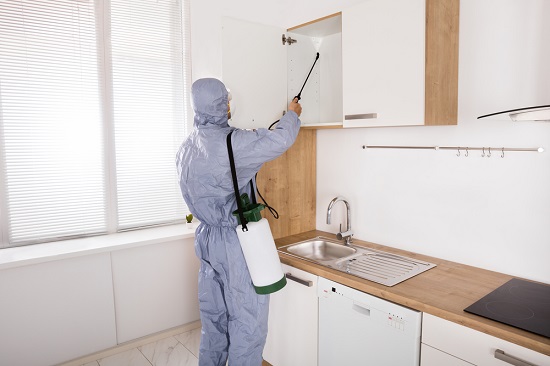
Sometimes, it’s better to call a professional pest control specialist. This is especially true when you have a pest problem that is persistent, if it has grown large, or if products are not authorized for use by professionals.

Call Zap Pest Control Inc. if you need the help of a pest control specialist.

Zap Pest Control Inc.
2507 Forestbrook Rd Suite G
Myrtle Beach, SC 29588
843-654-1927
http://zappests.net/

Winter Pest Control Tips

Winter is here and the outdoors is experiencing a noticeable change. There are fewer bees and flies, as well as mosquitoes and other flying insects. These pests are often associated with spring, summer and autumn, making them a nuisance for almost all outdoor activities. The colder weather means relief from the stings and bites of these pests, which homeowners are grateful for. The absence of flying pests does not necessarily mean that there aren’t as many pests in winter. You need to be familiar with pest control tips in order to stop them from entering your home.

While bees and mosquitoes might fly overhead in the summer, spiders, rodents and cockroaches will crawl underfoot during cooler months. These pests seek shelter from the cold, so your warm home is cozy for them as well. You must take preventative measures to keep these pests away. They could cause more damage than just cobwebs in your home. Some spider bites can cause side effects, while Hantavirus or Salmonella may be transmitted to rodents. Cockroaches could trigger asthma and allergies.

Winter Pest Control

The National Pest Management Association offers some helpful tips for homeowners to keep winter pests out of your home.

  • To prevent rodents getting into your home, seal any cracks or holes on the exterior. Inspect all areas that have utilities or pipes. A tiny hole about the size of one dime can be accessed by a rodent.
  • Weather stripping and loose mortar should be replaced around windows and crawl space foundation.
  • Keep firewood stored at least 20 feet away from your home. If the pile is nearby, ants and mice can build nests in wood piles.
  • Rodents can hide in clutter easily so be sure to organize your storage areas and keep the boxes off of the floor.
  • Remove all moisture sources such as clogged drains or leaking pipes. Bathrooms and kitchens should be treated with more care as they are prime areas for cockroach infestations.
  • Install door sweeps and repair damage screens in your windows.
  • Screen chimney vents and ensure that crawlspaces, attics, and basements are well-ventilated.

Winter brings many worries, including snow, wind, and frost. This could lead to damage to your home. These pest control tips can help to reduce the likelihood of your home suffering from other seasonal problems caused by pests. Winter pests can be kept out of your home to make it a more inviting place for family gatherings and holiday parties.

If you believe your home is infested by pests, contact Zap Pest Control Inc. immediately.

Zap Pest Control Inc.
2507 Forestbrook Rd Suite G
Myrtle Beach, SC 29588
843-654-1927

Front Page

How can you keep your outdoor living space pest free?

It’s a great way for summer to entertain friends and family outside. Cold drinks and warm bodies can attract ants and mosquitoes. There are some simple pest control methods to keep bugs out of your patio. They can also help you enjoy the outdoors, without having to endure any interruptions.

For pest control, get patio plants

Although nature has given plants a range of natural defenses against insects, there is no single solution. Depending on which pest you are most concerned about, you will need to plant specific patio plants in order to repel them. For example, ants will avoid chrysanthemums while flies will stay away from basil. Moths won’t like lavender.

You can use the following to keep mosquitoes off your deck or patio:

  • Rosemary
  • Lavender
  • Marigold
  • Citronella
  • Basil
  • Geranium
  • Lemon Thyme

Remember that a lemon scent may repel mosquitos but it could also attract bees. It takes some planning. This can be a natural and helpful way to keep bugs away if you think carefully.

Use Essential Oils

Combine one-part witch-hazel with one-part water to create a repellent for insects on your patio. Add a tablespoon of rubbing alcohol to each cup.

Essential oils that can be used include lavender, rosemary and lemon thyme. There are also other essential oils that mimic the scents of herbs and plants. These essential oils mimic the scents of plants and can be combined with other protection options to provide a single solution.

Spraying this mixture around your patio could prevent pests from invading your home.

All standing water should be drained

There are many exterminator Conway SC methods to eliminate flying insects from a patio but none as effective as getting rid of the source. Standing water can become a breeding ground for pesky mosquitoes. You should keep your gutters, downspouts and birdbaths clear of standing water.

Spray mouthwash on your patio

An alcohol-based mouthwash, which is made from alcohol, can also be used to repel insects from patios. Spray the entire perimeter of your deck or patio furniture with the mouthwash. It can repel insects and leave a pleasant smell, but it is possible to need to reapply frequently due to the speed at which alcohol evaporates.

Make Citronella Torches and Candles

Citronella is often overlooked by homeowners as an outdoor pest control method to repel pests from their patio. Torches and citronella candles have a reputation of being effective in repelling mosquitos. However, they are also effective in keeping flies away and other pests at bay. Burning citronella will not only repel pests, but also provide natural lighting that can illuminate your patio.

Change Your Outdoor Lighting

Bugs have a shorter wavelength of light that their eyesight allows them to see. This includes ultraviolet light, which is invisible to humans, as well as blues and purples. Their visual range does not cover warmer colors like red and orange.

Blue light is concentrated in daylight white bulbs. You can keep insects away from your patio by switching to warmer bulbs, such as yellow or sodium vapour bulbs, if you don’t want them to be too bright. Bulbs that are brighter than necessary can attract pests. These outdoor lighting ideas will inspire you.

Maintain a clean and tidy back yard and patio

Infested backyards are a breeding ground for insects. Ticks love tall grass and can find shelter in bushes. This makes it easier for pests enter your home. It’s not just about keeping your yard neat, it can also help keep bugs from entering your patio. Make sure to clean up any trash that may be left behind before it attracts insects.

These simple tips will help you keep your patio bug-free and allow you to spend time outdoors with family and friends.

Call Zap Pest Control Inc. if you need the help of pest control professionals.

Zap Pest Control Inc.
2507 Forestbrook Rd Suite G
Myrtle Beach, SC 29588
843-654-1927
http://zappests.net/
How to protect yourself from pests this Christmas

Families across the country are getting into the holiday spirit by decorating their homes, stringing lights and wrapping presents. Although these holiday preparations seem innocent, they can lead to pests such as ants, ticks and spiders being accidentally brought indoors. You need to know some pest control tips for the holidays.

The most common way pests get into homes is through Christmas trees, wreaths, and firewood. Spiders, ants, and ticks are all common pests that hide in wood crevices or in the branches of trees. Sometimes, the insects might even lay eggs in garland or trees. The eggs can hatch indoors and cause major pest infestations.

Pest Control Trips For The Holidays

Before bringing in live trees or other greenery to your home, make sure you carefully inspect them. To catch any unwanted tenants, inspect for nests, eggs and insects.

Pests also have a way to get into our homes at this time of the year by stealing decorations from our basements, garages, and crawlspaces. During the off-season, mice and other pests can find their way into boxes. There may be live or dead pests, droppings, and debris inside decorations that homeowners have unpacked. In some cases, homeowners may find their holiday decorations chewed up or destroyed by pests.

Before decorating, take your holiday decorations outside. Exterminator Conway SC says that you should check for any signs of pests or droppings. To ensure that the wiring is not damaged by pests, pay special attention to the strings of lights.

The most important rodent control step you can do to avoid pests during holidays is to remove the decorations and take down the tree. Instead of storing holiday decorations in cardboard boxes or bags that are easily chewed through, store them in plastic bins with tight seals. Avoid storing discarded firewood or live trees near your home as they can attract termites, mice and other pests.

It’s easy to forget about pests during busy times like this. But you can reduce the chances of having to deal with them in your home by following these simple steps. If you suspect that your holiday festivities are being disrupted by pests, you should immediately contact a licensed pest control specialist to inspect your home.

Call Zap Pest Control Inc. now if you need help in getting rid of pests from your home.

Zap Pest Control Inc.
2507 Forestbrook Rd Suite G
Myrtle Beach, SC 29588
843-654-1927
http://zappests.net/

How do you get rid of and prevent bed bugs?

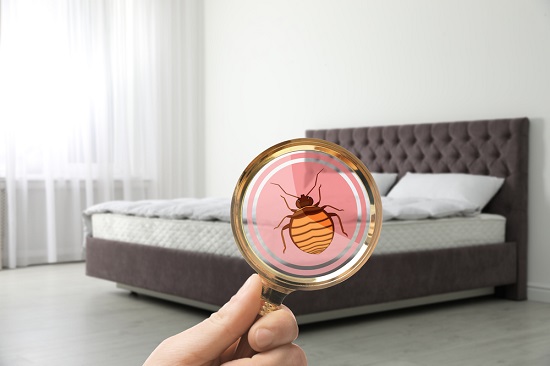
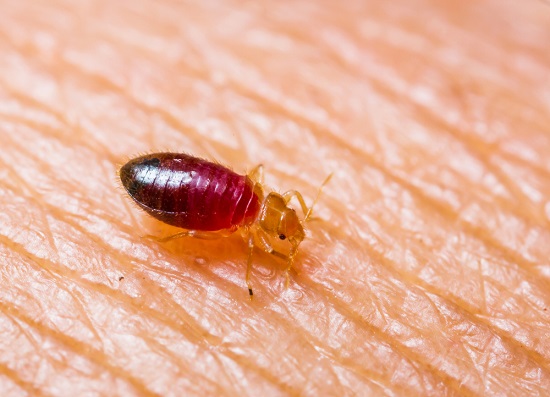
The bedbugs are just 5mm across, which is smaller than a pencil eraser. These insects are intelligent, hardy, and reproduce quickly. They are able to find places to hide and can live for several months without being detected. A healthy female can lay up to 500 eggs per year. You may need the help of pest control experts to get rid of them properly.

It’s no surprise that these little bloodsuckers can cause havoc in your house. They can cause itchy, red welts on your body if they are in bed with you.

You can eliminate bedbugs. It can take some time and patience to get rid of bedbugs. If you have a large infestation, it may be necessary to use several different non-chemical and chemical methods.

Bedbugs can be difficult to get rid of if you have certain factors. If you have lots of clutter or travel frequently, you may find it more difficult to get rid of bedbugs in your home.

You may need to hire a professional exterminator if you are unable to rid your home of bedbugs on your own. For a step by step guide to getting rid of bedbugs, read on.

Pest Control Tips

Identify infested areas

You want to get rid of bedbugs as soon as possible to prevent them from reproducing. It is cheaper and easier to treat a small infestation of bedbugs than a large one. However, smaller infestations are usually more difficult to spot.

You can either look for bedbugs on your own or hire professionals to inspect your home. Bedbug inspectors and residential exterminators may use specially trained dogs to search for them by scent.

  • Because of their small bodies, bedbugs can squeeze into tight spots, such as the seams on a couch or mattress, and the folds in curtains.
  • You can also look for them at these places:
  • Near the box spring and mattress tags
  • Cracks in headboard and bed frame
  • in baseboards
  • Between the couch cushions
  • in furniture joints
  • inside electrical outlets
  • Unter loose Wallpaper
  • Below posters and paintings on the walls
  • In the seam where wallpaper and ceiling meet
  • To inspect these areas, use a flashlight and magnifying glasses.

These signs can help you spot bedbugs:

Live bedbugs are about 1/4-inch in length and have a reddish color.

Bedbug droppings are dark spots that are about the same size as a period.

Reddish spots on your mattress are caused by bugs that have been crushed

Young bedbugs can shed small, pale yellow eggs, shells and yellowish skins.

After you have found a bedbug, seal it in a jar with 1 teaspoon of rubbing liquor. Bedbugs can also be found in other types of insects. You can identify the type of bug by taking it to an exterminator.

Infest the area

You must keep bedbugs away once you are aware that you have them. Your vacuum is a quick and simple way to trap bedbugs. Use the vacuum to sweep away any hiding spots.

Keep all linens and ill-fitting clothes in bags until you are able to wash them. Next, place them in the dryer or washer at the highest temperature. If the item is not washable, place it in the dryer for 30 min at the highest heat setting.

Place anything that cannot be washed in the washer or dryer in a bag. To ensure that all bugs die, leave it in the bag for at least a few months. You can throw away furniture that you are unable to clean. Spray paint “bedbugs” onto the furniture before you tear it apart.

Prepare for bedbug treatment

To maximize your chances of success, you should do some preparation before you begin to treat your home. Check that all linens, carpets and drapes have been removed or cleaned up.

Next, eliminate all bedbug hiding places. Grab any books, magazines, clothes or other items that are lying around your bed and under it. Get rid of everything you can. You should not move items from infested rooms to clean ones. This could spread the bugs.

Seal any exposed areas. Apply wallpaper to any exposed areas. Caulk cracks around baseboards and furniture. Place a tape on open electrical outlets. Move up your bed 6 inches from the wall. This will prevent bedbugs from climbing on it.

Get rid of bedbugs

Cleaning your home

First, you can try to eliminate bedbugs naturally. You can first try to eliminate bedbugs without using chemicals.

These are some ways to get rid of bedbugs.

For 30 minutes, wash bedding and clothing in hot water. Next, wash your clothes in hot water for 30 minutes. Dry them on the highest heat setting for thirty minutes.

Steamer for mattresses, couches and other areas where bedbugs can hide.

Place infested items in bags and leave outside at 95 degrees or in a closed vehicle. It can take up to five months to kill sealed-up insects in cooler temperatures.

Place bags containing bedbugs into the freezer at 0°F (-17°C). To check the temperature, use a thermometer. They should be kept there for no less than four days.

After you have removed all bedbugs visible, make the area unhospitable to their friends. Use bedbug-proof cover to protect your mattress and box spring. These covers should be sealed tightly. The bugs that have been trapped within will die and new bugs will not be able get in.

These methods may not be enough to eliminate all bugs.

pest-control-1-300x200.jpgChemical and non-chemical treatments

Bedbug control can be achieved with insecticides. You should look for products that have been registered with the EPA and are specifically labeled for bedbugs.

These are some of the insecticides that you can use:

The most commonly used chemicals to kill bedbugs are pyrethroids and pyrethrins. However, some bedbugs are resistant to these chemicals.

Chlorfenapyr and other pyrroles kill bedbugs by disrupting the cells.

Man-made nicotine substitutes, called neonicotinoids. They cause nerve damage in the insects’ nervous system. This chemical is effective against bedbugs that are resistant to other pesticides.

Dessicants are substances which destroy the protective outer layer of the bug’s skin. The bugs will die if they are without this protective coating. Silica aerogel (Trie-Die and CimeXa), and diatomaceous Earth are two examples of dessicants. Dessicants have the advantage that bedbugs cannot become resistant to them but they also work slowly. It can take several months for all of the bugs to be eradicated by these products.

Foggers and bug bombs can kill bedbugs but they cannot get in to the cracks and crevices that these bugs hide in. If they are used incorrectly, they can be toxic to people. Pay attention to the label. Before you start a fogger, leave the room.

EcoRaider, Bed Bug Patrol and other plant oil-based insecticides are less toxic than chemical ones. They also work well against bedbugs.

Keep an eye on the affected areas

It can take a while to get rid of bedbugs. You need to be able to prove that the bedbugs have not returned. For signs of activity, check the affected areas approximately once per seven days.

Place bedbug interceptors underneath each leg of your bed to make it easier for you to identify surviving bedbugs. These devices will catch bedbugs before they climb up to your bed. The interceptors may need to be checked for up to a year.

Retire when you need

Bedbugs can be tough creatures. You might find them again just when you think they are gone. It is possible to use several different methods to get rid of the infestation. If they don’t disappear, call a professional exterminator.

Get the pros involved

You can’t eliminate bedbugs by yourself. It’s time for professionals. Pest control companies can use chemicals and other treatments that you don’t have access to. These insecticides kill the bugs immediately and can be used to treat bedbugs over time.

Whole-room heat treatments can also be used by pest control companies. The pest control company will bring in equipment to heat the room to 135 to 145 degrees Fahrenheit, which is high enough to kill bedbugs.

You should be prepared for the arrival of pest control companies. You’ll be able to eliminate the pests most effectively if you follow their instructions.

It takes professional treatments two to three visits before they start to work. You may need to be out of treated areas for several hours after each treatment until the insecticides dry.

Be sure to keep the bedbugs away

You’ll need to ensure that the bedbugs go away once they are gone.

Call Zap Pest Control Inc. for professional help.

Zap Pest Control Inc.
2507 Forestbrook Rd Suite G
Myrtle Beach, SC 29588
843-654-1927
http://zappests.net/
What Winter Pests Should You Watch Out For?

A true winter in the South Carolina Lowcountry is rare. This was except for January, holy snow and ice! Winter pests can be a nuisance even if there is a significant temperature drop. You need to know effective pest control tips to protect your home from these little critters.

Termites

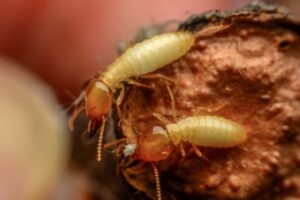
You did read that correctly. Most people associate termites and swarms to warmer weather. But did you know that they also make a second wave during the fall? You’re right. These winter pests have been known to swarm in October, November, and reproduce until February. Lowcountry homeowners are most at risk from Eastern Subterranean termites. These insects are extremely destructive and cause over $5 billion of damage each year across the country. Do not let your guard fall yet! Find a reliable termite control expert in your area.

Raccoons

After watching Pocahontas, I am sure that we all wanted to own a pet raccoon. However, these winter pests can be just as vicious as Meeko. Raccoons prefer to live in wooded areas but they can also make their way into homes through your chimney or attic. Raccoons can squeeze in to your home by only 4 inches. They are a major carrier for rabies. Make sure your outdoor trash can lids are secure to prevent them from getting in your food. Also, close any gaps around your home and trim any branches and limbs.

Mice and Rats

Rodents are attracted to warm places and easy access. These winter pests shouldn’t be allowed to take over your home! Rodents will seek out any entry point and will hide behind walls, appliances, and crawlspaces.

Preparation is now. Seal any gaps around your home’s exterior and underside

To make your home more attractive to animals, seal up food sources

Cockroaches

Even in cooler temperatures, we just can’t seem get rid of them! Cockroaches are among the most resilient insects. Want to find out why? You can read it here. They will survive as long there is enough food and humidity. We seem to have plenty. Call us if you have a problem with roaches! Conway SC exterminator can help you because roaches are quick to become resistant to DIY methods.

Bedbugs

Are you planning to go on a holiday or Thanksgiving trip in December? Be careful! Bedbugs can still thrive in cooler temperatures. These pests travel around the world in their luggage and clothing, hoping to find a ride. These pests have been discovered on planes and in hotel rooms. For small dark blood spots, check the headboards and mattresses of hotels

Hang clothes; don’t lay them on the floor, bed or furniture. You should place luggage on luggage racks and not on the floors. After you return home, vacuum out all suitcases. Wash your clothes immediately in hot water. You can also seek out bed bug removal experts.

Call Zap Pest Control Inc. and let our pest control experts help you.

Zap Pest Control Inc.
2507 Forestbrook Rd Suite G
Myrtle Beach, SC 29588
843-654-1927
http://zappests.net/

What attracts termites to your home?

There are three types of termites that invade homes: drywood, dampwood and subterranean. They all have different reasons for being attracted to homes that’s why you need to know effective termite control solutions.

Most drywood termites and dampwood termites are found in the woods where they eat. Subterranean termites, on the other hand, live underground and travel to the wood to replenish their underground colony. It is also more common for subterranean species to live in large groups.

Termite Control Tips

What Attracts Termites to Your Home?

All termites love wood, but each one has a different preference. The names of drywood and dampwood termites indicate that they prefer moist woods. Subterranean termites need to be in close proximity to moist soil in order for them to infest wood in direct contact with the ground.

Subterranean termites can also create mud tubes that they use to transport from the soil to the wood. The termites use mud tubes to protect themselves from dehydration, and to transport wood to higher ground. Untreated lumber or firewood could be a source of termites for homeowners.

Termites can also be drawn in by moisture and wood contact with the foundations of a house, according to Conway SC exterminator. Different combinations of these factors can attract different species. In addition, the location of homeowners can impact how likely they are to be able to manage infestations. Residents in the south are more likely to be affected by termites due to their climate and high humidity.

Moisture

Poor airflow, poor drainage, and leaky pipes all contribute to moisture problems that attract termites. Subterranean and dampwood termites thrive in humid environments. Subterranean termites, on the other hand, prefer moisture-rich wood.

Wood in contact with house foundations

Subterranean termites and other species need to travel through wood or soil to reach homes. Wood touching homes’ foundations makes them more susceptible to pest infestation. Mulch, overgrown shrubs and firewood too close to homes can all give termites access to wood for structural purposes.

Cracks in Building Exteriors

Termites can enter homes through any crack, fissure or gap in the siding. These cracks are ideal for subterranean termites, who build mud tubes and then use them to move indoors. Cracks around doors and windows allow termites to enter and form colonies.

How to Get Rid of Termites

Homeowners should inspect the conditions surrounding their homes for termites. It is important to check for termites in your home and reduce humidity. Also, it is important to treat and cover any wood that comes in contact with the soil. Examining exteriors of buildings for cracked fascia boards and poorly sealed plumbing lines is a good way to limit termite access. Contacting Myrtle Beach pest control professionals is the best way to prevent termite activity and effectively treat infestations. DIY kits are often not effective on large numbers.

Call Zap Pest Control Inc. now if you need the help of pest control experts in getting rid of termites from your home.

Zap Pest Control Inc.
2507 Forestbrook Rd Suite G
Myrtle Beach, SC 29588
843-654-1927
http://zappests.net/

Is pest control necessary during the winter?

Plants, animals, and humans all go into hibernation mode when the weather turns cold. You may not be noticing pests and bugs in your yard during this time. This can cause you to have an “out of sight out of mind mentality.” But are native insects really gone? Find out how to protect your home in winter and how pests deal with the cold weather using effective pest control methods.

Pest Control Tips

Mosquitoes

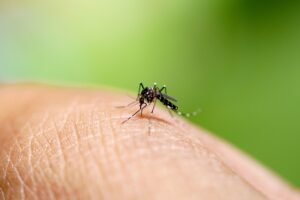
Common pest control misconception is that insects die during winter. Many pests use clever strategies to survive winter and come out when the weather warms up again. Although mosquitoes can be a nuisance in the summer, they hibernate. They seek shelter in hollow logs, and females will begin looking for food to start feeding their eggs.

Ants

Overwintering is possible for ants by eating a lot in the fall, and then gaining more fat to get through the winter. They will stop their activity when the temperature drops and then relocate their colony under the ground until spring.

Cockroaches

These pests have a reputation for surviving in harsh environments. This makes winter easy for them. Cockroaches adapt by looking for warm and moist places in your home. This is why they are often found in bathrooms and kitchens. You may even notice an increase in the number of cockroaches when they seek shelter from the cold and settle down to winter. Call residential pest control experts if you need help.

Termites

Different species of termites react differently to winter. The local climate may also play a role. Termites that live in colder climates will dig below the frostline and hibernate till the temperature reaches 70°F. Drywood termites can shelter themselves in dry wood and this could include your home.

What Pest Control Services Do I Need in Winter?

Insects can survive winter months because they are extremely adaptable. Sometimes their survival is dependent on your ability to allow them into your home. Although they may not be visible, they could be hibernating or ready to emerge in the spring. This means you should continue to provide exterminator Myrtle Beach SC services through the winter.

You can arrange regular visits with your pest management company. This will keep pests at bay all year.

Call Zap Pest Control Inc. now if you need the help of a pest control expert.

Zap Pest Control Inc.
2507 Forestbrook Rd Suite G
Myrtle Beach, SC 29588
843-654-1927
http://zappests.net/