Attic Pest Control Tips You Should NOT Miss

If you notice unwanted guests lurking throughout your attic, you will need to implement proper pest control. Keep in mind that pests do not only attempt to enter your home from your kitchen door or lawn. They can also sneak in through your attic and, finding it a safe and comfortable place, they eventually decide to stay and live in it for good. This is why they keep on coming back after your every attempt to ward them off.

But don’t get hopeless. Here are some essential attic pest control in Myrtle Beach tips you can consider to ensure your unwanted guests will no longer come back to your attic.

Find out which pest you’re dealing with through their droppings

Almost all residential pest control tip starts with identifying the pest to be warded off. Different pests should be handled differently. When it comes to pests that like to invade attics, you can identify them by looking at their droppings. Each pest has a distinct size, shape, and color of droppings. Here are some you need to know.

  • Mouse has pellet-shaped droppings that are about 1/8 inch in length.
  • Rodents’ droppings are shaped like sausages and are 1/4 inch long.
  • Squirrels have similar droppings as rats but they are longer, reaching about 1 inch in length.
  • Raccoons have the biggest droppings with 3/4 width and 2-3 inches length. They are also shaped like sausages.
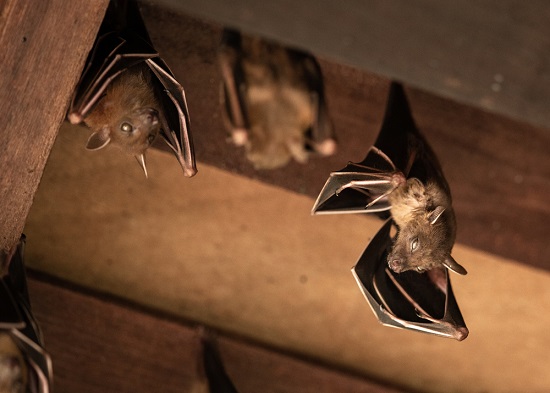
  • A bat’s droppings are often found in piles, are shaped like pellets, and are 1/2 inch in length.

As soon as you identified the pest behind the droppings in your attic, it is best to clean the droppings first before you proceed to work on removing them. According to the Centers for Disease Control, you have to open the windows in your attic and air out the area for at least 30 minutes before cleaning.

Keep in mind that you shouldn’t be in the attic while waiting for it to air out. Disinfect the area by spraying with a bleach solution that is 1 part bleach and 10 parts water. Remember to wear gloves and masks the entire time you are cleaning and to properly dispose of the trash using sealed plastic bags.

After identifying the pest, apply the appropriate pest control methods

If you found mice in your attic, the best way to deal with them is to set up mouse traps throughout the attic and where they mostly crawl through such as near drainpipes and electrical wires. For rats, it’s best to use rat traps with covers instead of the little mousetraps. Rats are bigger and stronger than mice so be sure you use more efficient traps.

Use a metal cage to trap squirrels from inside your attic. Don’t forget to check your local laws regarding trapping and relocating squirrels. Different cities and states have varying laws so it’s better to confirm. If you find raccoons or bats in your attic, call your local pest control professional immediately.

Contact Zap Pest Control Inc. now to inquire about their pest control services.

Zap Pest Control Inc.
2507 Forestbrook Rd Suite G
Myrtle Beach, SC 29588
843-654-1927
http://zappests.net/
Guide to Getting Rid Of Summer Ants

Ants are a common pest in America, and they can be a nuisance. These pests are not likely to transmit any diseases but can quickly take over living spaces. These pests may be active in the summer as they seek shelter and food. It’s important to know the most effective pest control tips to get rid of these little critters.

Many homeowners are familiar with ants but may not be aware of the fact that many common species are capable of infiltrating and taking control of homes. There are more than 700 species of ants in the United States. It is important to identify which one you have in order to get rid of them properly.

Pest Control Tips

Carpenter Ants

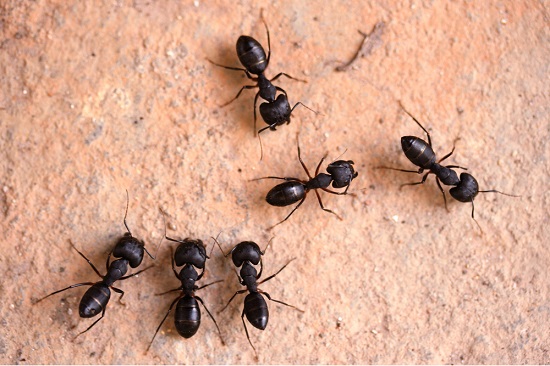
Carpenter ants are known for their ability to dig through wood and create smooth tunnels within structures. Carpenter ants don’t eat wood; they tunnel through it and chew through it to make their nests.

Because of the structural damage they can cause, these species are a danger to homes. Carpenter ants can also bite and have strong jaws. When mature, a western black carpenter-ant colony can have between 10,000 and 20,000 workers. Larger colonies may contain more than 50,000 people.

Odorous House Ants

You can smell the strong, coconut-like smell it emits when crushed. Odorous houseants are determined pests that will climb up branches and plants to reach your home. They will nest in moist areas and wood that has been damaged by termites once they are indoors. Odorous houseants love honeydew and can contaminate food. To learn more about these ants, click the link   Little Black Ants

The little black ants are named after their appearance. They eat a wide variety of sugary and fatty foods, including fruit, candy, oil, grease, oil, and meats. Their nests are small, making them difficult to find due to their small size. They nest indoors in decaying wood and wall voids. Although they have stingers, these ants are too small and weak for any health risk.

Pavement Ants

Pavement ants have a reputation for creating nests under or in cracks of pavement. These ants are open to eating any food, even bread and meat, and will forage for food up to 30 feet. Although they are most commonly found in ground-level masonry walls, Pavement Ants can nest under floors and insulation.

Red Imported Fire Ants

Red imported fireants are common in the south of the United States. They are known for their ability inflict painless bites and stings. These invasive ants nest in soil close to structural foundations. They can also gain entry to buildings through any crack or crevice leading indoors. When disturbed, red imported fire ants can sting. This causes a raised welt which turns into a white pustule. We recommend that you hire a pest control specialist to eliminate these summertime ants.

These are some residential pest control tips to get rid of summer bugs

Eliminate nesting sites: Long-term successful ant management starts with preventing ants breeding around your home. You must remove any vegetation, yard debris, or old landscape material that could be used as nesting and breeding sites for these pests.

Reduce water sources: It is possible to reduce moisture and keep your home hydrated. Leakages should be repaired and moisture must be checked under sinks regularly. A dehumidifier is recommended for damp basements, crawl spaces, and attics.

Eliminate Food Sources: Keep your kitchen clean to deter ants from entering your home. To remove crumbs and spillages, wipe down countertops and sweep floors frequently. Keep food in sealed, pest-proof containers. Clean out any sticky jars containing honey, syrup or soda. Use a trashcan lid and dispose of your garbage regularly.

Eliminate access points: Make sure you inspect your exterior for any obvious access points. As ants can use branches as a way to get inside your home, it is important that trees and bushes are removed from the property. Use silicone caulk to seal any cracks or crevices outside the home, especially those where utility pipes are. Keep in mind that even the smallest openings can be easily accessed by ants.

If homeowners take the necessary precautions, ant invasions can often be avoided. For effective pest control, call a licensed pest control in Myrtle Beach if you suspect an infestation.

Call Zap Pest Control Inc. now if you need help in getting rid of pests from your home.

Zap Pest Control Inc.
2507 Forestbrook Rd Suite G
Myrtle Beach, SC 29588
843-654-1927
http://zappests.net/
Pest Control: Species That Threaten Your Home

Invasive species are rapidly spreading across the United States, causing damage to property and new health risks. Invasive pests can spread through unintentional or accidental means. They have no natural predators and are able to rapidly grow in different areas of the country. That’s why you need to have proper pest control measures set up in your home.

Pest Control Tips

These are the top five invasive pests you should be aware of in your home.

Brown Marmorated Stink Bugs

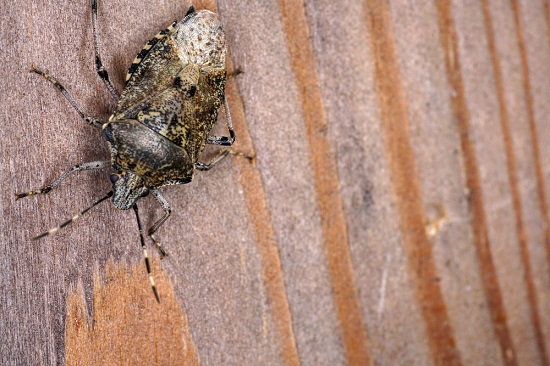
The brown marmorated stinkbug originated in Asia and arrived in Pennsylvania in 1996. These bugs are now found in 44 US states, and they have become a nuisance to many homeowners.

They are not considered to be a health risk to humans but stink bugs can hide in attics, crawl spaces, walls and attics to find shelter during winter. In early spring, stink bugs return to the home and become active.

They are known for their unpleasant odor when crushed. You can keep these pests out of your home by sealing any gaps in the window or door screens and vacuuming up any insects that are found within.

Asian Longhorned ticks

The Asian longhorned tick was first spotted in New Jersey in 2017. It arrived from Asia where it can transmit deadly diseases to humans and livestock.

They are an invasive species that can quickly multiply as females reproduce independently of males. The Asian longhorned tick is also known to transmit Lyme, Ehrlichiosis and Japanese spotted fever.

It is most well-known for transmitting SFTS, which is fatal in 15% of its victims. Use insect repellents containing at minimum 20 percent DEET to protect yourself and your family. Wear long clothes if you can, to minimize skin exposure.

To prevent tick-borne disease transmission, it is important to check your family, friends, and pets after they have walked through tall grass and wooded areas.

Spotted Lanternflies

Spotted lanternflies were first reported in Pennsylvania in 2014. They are now being found in New Jersey and Connecticut, Delaware, Virginia.

They pose a serious threat to the grape, fruit, and logging industries because they feed on the sap of many trees and plants. They can also lay eggs on outdoor furniture, rocks, and trees.

Scrape off any egg masses found around your house and put them in a bag. To report any sightings or migrations of this invasive species, you should contact the Department of Agriculture.

Red Imported Fire Ants (RIFA)

The red imported fire ant (RIFA), a Brazilian native, was first spotted in Alabama in 1983. They can be found in the western and southern U.S., and they will attack anyone who attempts to disturb their nest.

They are often introduced to new areas by way of potted plants, trees, or shrubs. These tiny, invasive pests are named for their painful stings. They can form into raised welts which then become white pustules. People allergic to insect bites might react more severe.

These pests can be found outside, but they can also enter structures via HVAC units and AC units. To prevent them from entering, avoid RIFAs and mound nests. Another effective residential pest control tip  is to seal all cracks and crevices.

Formosan Termites

The Formosan termite comes originally from China. It was introduced to the United States through military cargo shipments following World War II. The southern United States now has this termite species in Hawaii, North Carolina and South Carolina.

It can also be found in Georgia, Virginia, Texas, Louisiana, Alabama. Florida, Tennessee, and California. These pests are often called the “super termite” and can chew through wood, wallpaper, and flooring. A mature Formosan termite colony will consume about one foot of 2×4 wood every 25 days. This can cause severe structural damage to homes in as little as six weeks.

Keep firewood stored at least 20 feet from your house, 5 inches above the ground, and a gap of one inch between the soil and the wood parts of your home. This will help prevent infestations. Also, remove moisture sources from the home. It is a good idea to schedule an annual professional termite inspection for homeowners.

If you suspect that an infestation of invasive species is occurring, contact a pest control professional immediately. A professional in pest control in Myrtle Beach can help identify the species and recommend the best course of action to eliminate the infestation before it becomes a serious problem.

Call Zap Pest Control Inc. now and let our team handle all of your pest problems.

Zap Pest Control Inc.
2507 Forestbrook Rd Suite G
Myrtle Beach, SC 29588
843-654-1927
http://zappests.net/
Pest Control: Getting Rid of Mice in Attics and Walls

There are many species of mice, but the house mice are the most common. You need to know the most effective pest control tips to get rid of them from your house.

It lives in attics and walls, and it can be found in a variety of habitats. The adult house mouse usually has a grayish color with cream-colored bellies. They can grow to 2.5-3.75 inches long.

House mice are known for being able to adapt to extreme conditions and their ability to breed quickly, despite their humble appearance. A female house mouse can produce up to 35 children each year. Continue reading for more information, including how to remove mice from your attic or walls.

There are risks

It is important to prevent house mice invading your property. A rodent infestation can not only be a nuisance but also pose serious health risks. House mice can transmit bacteria and other diseases to food. The feces and urine of house mice can become airborne and spread disease, potentially triggering allergy symptoms and asthma attacks. House mice excrete so frequently that their droppings can quickly accumulate in your home’s interior walls and attic spaces.

Unknowingly, house mice can bring other pests into your home, such as mites and ticks, fleas and lice. These can carry bacteria and disease.

You should be looking out for signs such as droppings or urine stains in your home. For proper removal of mice in walls, attics, or other areas of your house, we recommend that you contact a pest control in Myrtle Beach. You or your family member should seek medical attention immediately if you notice signs and symptoms that could be caused by rodents.

Pest Control Tips

There are many things homeowners can do to stop mice from infesting their attic and walls.

Mice can squeeze into spaces as small as a dime. It’s therefore important to seal all cracks or gaps that might allow them into your home. You can prevent mice from entering your home by installing exterior door sweeps, replacing weather stripping and replacing loose mortar.

It is important to block all entryways and remove food, water, as well as harborage resources that could attract mice to your home. Keep food safe in sealed containers. Garbage must be disposed of regularly. Garages and closets should not be cluttered. Attics and crawl spaces should be well-ventilated. Firewood should be stored at least 20 feet from your home. Shrubbery should also remain well-trimmed. These simple tips can help homeowners reduce the chance of mice invading their home to search for food and shelter.

Warn Signs

You should be looking out for signs that indicate there are mice around your house. You may find their droppings softened and moistened or dry and hardened. Droppings are usually rod-shaped and have pointed ends. They measure approximately 0.125-0.25 in length. The presence of house mouse urine can also be an indicator that there are unwanted intruders.

Evidence of house mice’s movement around your home can often be easily seen. The paths used by house mice to move around are the same, leaving behind footprints, rub marks and droppings. The front feet of a house mouse leave four-toed footprints, and the hind feet leave five-toed tracks. Their bodies leave oily marks on walls where they travel.

You may also find gnaw marks on your home from house mice. These can be rough or smooth. You may also see them digging burrows with insulation. They can also eat any seeds, cereals or insects that they find in your home. However, if you do see a mouse in your home, it’s likely that it is just one of many hidden away.

Pest Control Treatment

You should immediately seek the help of a residential pest control professional if you suspect that you may have a mouse problem in your home.

Residential pest control professionals who are licensed are trained to safely and quickly eliminate mice from your attic, walls, and other areas of your home. Find a professional pest control expert in your area by visiting our Find a Pro page.

Call Zap Pest Control Inc. now and let our team help get rid of pests from your home.

Zap Pest Control Inc.
2507 Forestbrook Rd Suite G
Myrtle Beach, SC 29588
843-654-1927
http://zappests.net/
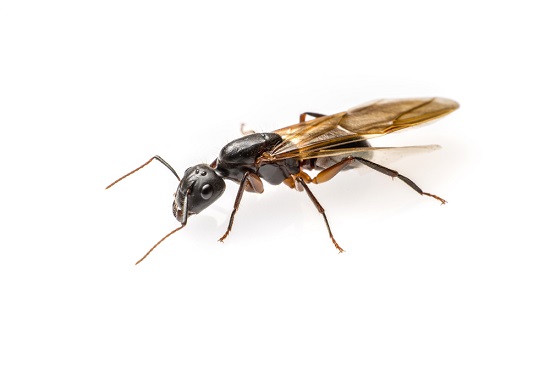
Tips To Ward Off Pest Infestation

Warm weather is here, but it also brings more pest activities from arachnids, insects, and various other invertebrates. It’s much easier to prevent these pests from becoming an infestation, however, if they are already inside your house, there’s no need to panic. Get to know some of the most common summer pests and learn how to deal with them using the following pest control tips.

Common Summer Pests

Pest control experts say that there are three types of pests that remain dormant during winter and emerge once again during summer. These are flies, termites, and ants. When the temperature drops below 50 degrees Fahrenheit, these pests lay low and resurface later on once the weather becomes warmer.

The number 1 nuisance pest in the United States is ants. They don’t die out during the colder season but may be outside of the structure in landscaping or mulch, hiding beneath the rocks or even inside through the insulation if they want to stay warm.

Termites are visible during summer. It’s the time they start to come out to mate and create new colonies that could destroy the wood in structures.

Meanwhile, flies tend to stay dormant during winter but will start to invade structures when the temperatures begin to rise.

Cockroaches as well as bedbugs are active throughout the year since they’re most active inside the house but must still be covered for in summer when pest control activities are being done.

Proactive Pest Control Tips

The best thing you can do when it comes to pest control is to have an integrated pest control treatment program set in place that anticipates the most common pests in your area and checks according to the situation and proactively takes action.

Pest control firms can check your property on a monthly or weekly basis and determine emerging outbreaks as well as conditions that may bring about the infestation, like moist wood that could lure carpenter ants or perhaps leaves getting blown up against the foundation that offers nesting spaces.

Apart from implementing good pest control in Myrtle Beach strategy, be sure that all screened windows are in good condition to make sure that flies are kept out. Move the garbage cans or refused areas far from the building, if it is possible, and make sure that the compactor room or the trash chute are kept clean. You should also seal any entry point and install a door sweep to keep ants at bay.

Once a pest infestation has settled inside your home, you have to call in a pest control professional like Zap Pest Control Inc. to deal with it before it gets even much worse. These professionals will begin with the least toxic way to control the infestation.

Don’t try to handle the infestation yourself. Different insects need different treatments and you may end up having more problems if you use the wrong one.

Call Zap Pest Control Inc. now if you need the help of a professional to deal with your pest control problem.

Zap Pest Control Inc.
2507 Forestbrook Rd Suite G
Myrtle Beach, SC 29588
843-654-1927
http://zappests.net/
Pest Control: Dealing With Flying Ants In Your Home

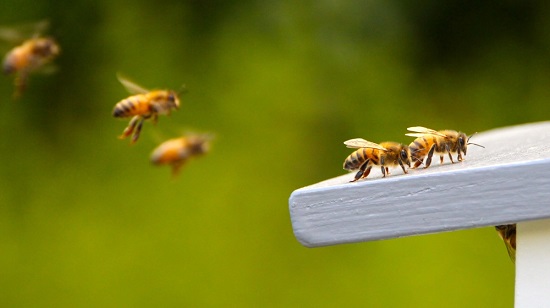
Flying ants are not a good sign. However, having winged ants living in summer can be a problem. This is because ants fly only when they are ready to breed.  If you see flying ants in your home during summer, it is likely that they are living in the structure. Worse, it could be a carpenter’s nest. You need to know the best pest control measures to deal with this problem.

Differences between Termites and Ants

Carpenter ants are quite common in the United States, but they are often mistaken for termites. Carpenter ants can be larger than termites, but some are smaller. Carpenter ants are among the largest ant species.

How can you tell if it’s a termite? You should look for:

  • Dark-colored bodies
  • Slim waists
  • Elbowed (bent) antennae
  • The hind wings are shorter than the front wings.

These characteristics are a sign that it is a Carpenter Ant

Carpenter arts are more common outdoors than termites. Both termites and carpenter bugs can cause damage to homes. However, termites eat the wood they tunnel into, while carpenter insects only nest in it. The frass, which is insect parts, soil, and wood dust, is another difference between termites and carpenter bugs. It is often found under the openings of the carpenter’s nest.

Flying Ants Swarm to Mate

It doesn’t matter if the winged ant that you see is a termite or a carpenter ant, the wings indicate that the insect is a reproductive male. Once the males have done their job, they will die and the queens take their place and drop their wings in search of a nesting spot.

This could be because a winged ant seen indoors in the summer might just be an indication that it has come from outside. The ant will die before it can find a suitable nesting spot, so pest control in Myrtle Beach is not necessary. However, the ants do not normally nest outdoors during winter so if you see a flying ant indoors it is most likely that they are nesting inside the structure.

Although termites rarely swarm in winter, they can be found in warm areas of infested structures. The first sign of indoor infestation is the sudden appearance or flight of termites or swarming insects.

Pest Control: Carpenter Ant Treatment

Carpenter ants can nest in dry wood but they are more likely in wet or damp wood.

Next, use an insecticide to kill and control ants who have made their nest indoors.

Insecticide dust: This insecticide is designed for carpenters ants. It is intended for use inside the house. You can inject this into the spots where there are nesting ants. Tiny holes can be made to inject the dust if it is hard to reach the area.

Bait: You can also use bait. Baits can be safer and easier to use, even though their effect is slow. To eliminate entire colonies, foraging ants will grab the bait and return it to their queen and colony. Ant baits that are sold in stores can be labeled for different ants. Always read the label and ensure it is specifically formulated for carpenter-ant species.

Spray: Insecticides won’t have any effect on foraging ants as they will only kill ants that have foraged for food. However, sprays can be used to provide relief for ants who have just moved in from the outside. It is crucial and required by law that you read and comply with all labels when using insecticides.

Call Zap Pest Control Inc. now if you need help in getting rid of pests from your home.

Zap Pest Control Inc.
2507 Forestbrook Rd Suite G
Myrtle Beach, SC 29588
843-654-1927
http://zappests.net/
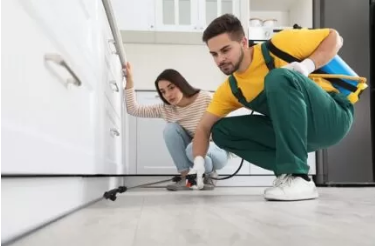
Pest Control Tips For Keeping Bees Away

Although bees are essential to our ecosystem’s health as pollinators, their stings can prove painful and even deadly. Honey bees and Bumblebees are usually quite content to do their business and won’t attempt to sting unless threatened. However, many people would rather avoid wasps and bees. It’s impossible to avoid all bees, and it’s almost impossible to deter them. There are some pest control tips you can take to keep bees away from your home.

Pest Control Tips For Bees

1. Avoid planting the bees’ favourite flowers.

Knowing what bees are attracted to is the first residential pest control step in avoiding them. The nectar of flowering plants is what helps bees survive. Certain types of plants are more attractive to bees. Particularly, bees are attracted to plants with yellow, blue, red or purple flowers. Avoid flowering shrubs and garden plants if you want to reduce bees in your home.

2. You should make sure that your home is pest-proof.

Bees aren’t often interested in entering homes. They prefer to be outside and tend to be more interested in flowers and leftover food. Carpenter bees are an exception. Carpenter bees drill holes in wood to lay their eggs. Carpenter bees might attempt to drill into untreated wood panels or siding in your home.

3. Be careful of open containers during outdoor gatherings.

Bees love nectar but they may also want to try out sweet drinks and food. If you host or attend outdoor activities such as picnics or barbecues in the summer, make sure to keep drinks closed and food covered. You should also ensure that trash cans have lids. Don’t forget to clean up after the event.

4. Use insect repellents

It’s a good idea to get some bug repellent, especially during warm seasons. Some over-the-counter repellents are effective against bees. They can also be found at most drugstores. There are many types of insect repellents. According to some old wives’ tales, dryer sheets are an effective repellent. Most households have them. Although they aren’t as effective at repelling bees as some other products, they can help you avoid tick and mosquito bites.

5. The skin can repel insects by using natural remedies.

Natural bee repellents are a good option if you spend time outdoors and you’re sensitive to chemicals. These DIY pest control treatments in Myrtle Beach may not work for everyone. Do not use these ingredients if you are allergic to any of them.

Essential oils are a good option. Some essential oils, such as lemongrass, eucalyptus, and citronella may repel bees. You can mix essential oils with water or witch hazel in many different ways. Some prefer to use a spray bottle to apply while others would rather use cotton balls. Essential oils should only be used on the skin.

Try crushed garlic or fresh cucumber peels. You can use these ingredients together or separately. You can either crush the two ingredients together and apply them to your wrists and behind your ears or use a water-based solution and let the ingredients soak for a bit.

Contact a pest control expert if all else fails.

You may wonder how to eliminate bees completely if you have a severe bee infestation. It is important to remember that seeing a few bees in one place is not the same as seeing a colony of bees or finding a beehive. Get in touch with pest control experts to handle bee removal in these cases. Our specialists can identify the type of bees present on your property and create a customized treatment plan.

Call Zap Pest Control Inc. now if you need help in getting rid of pests from your property.

Zap Pest Control Inc.
2507 Forestbrook Rd Suite G
Myrtle Beach, SC 29588
843-654-1927
http://zappests.net/
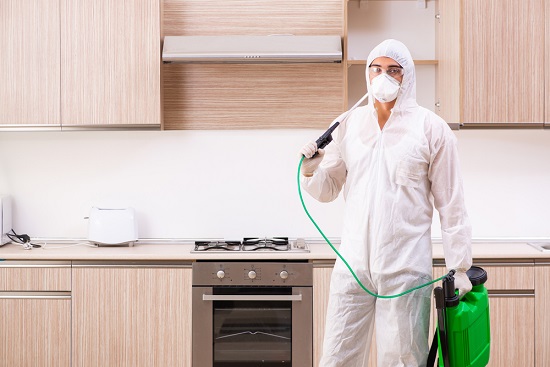
Five Property Management Pest Control Problems and Solutions

Pests can have a negative impact on your tenants’ lives as well as your property’s value. Zap Pest Control Inc. can help you with pest control if your property is infested.

1) Who Should Take Care Of Pest Control?

Property managers of any type of rental property know that they are responsible for their tenants’ health and safety. This responsibility could include pest prevention and elimination.

Most states and some municipalities have laws that determine who is responsible for pest control in a rental property. As a property manager, it is important to know your rights as well as those of your tenants. We at Zap Pest Control Inc. strive to ensure that all commercial properties comply with all state and local laws in all areas we serve.

2) How can you prevent pests from entering your property?

These are some tips to help keep pests from invading your commercial property. You can, for example: Make sure that your tenants properly dispose of their garbage–make sure they are actually placing the bags in the trash container. Make sure crawl spaces and basements are well ventilated. You should seal all cracks and crevices on your property.

Also, make sure to inspect for utility points. Make sure your property has proper drainage. High-traffic areas, such as areas where crumbs can build up, should be cleaned daily. Weather stripping, as well as loose mortar, should be replaced around the doors, windows, and, foundation of your building. Are you still experiencing pests? Contact Zap Pest Control Inc. and speak with one of our friendly exterminators to learn how we can make your property pest-free.

3) What are the most common pest problems in commercial properties?

There are many pests that can infest commercial properties. They vary depending on the type of facility and state. There are a few common pests that can infest your property.

Ants: They can invade any property. They come to a building looking for food, shelter, and water. They are social insects and can live in colonies numbering in the thousands. If one ant is spotted that could indicate more.

Cockroaches: These pests can be a problem for condos and apartment complexes as well as commercial properties. Most often, they enter your property via cardboard boxes. Online shopping has made it easier for many boxes to enter your home. Cockroaches can spread 33 types of bacteria, including Salmonella or E.coli. It is crucial to eradicating them. Cockroaches can trigger allergic reactions, and worsen asthma symptoms.

Bed Bugs: In recent years, bed bugs have been a common pest in multi-family homes. Property managers and landlords should not attempt to remove bed bugs by themselves. It is best to hire pest control in Myrtle Beach.

4) How can pests enter my property?

Pests can enter your property from many points. You might also have access to nearby properties. If the neighboring property has a pest problem it could become your pest problem. In pipes and ductwork in winter, pests can easily find shelter in pipes. Tenants can help keep pests away by creating guidelines that are flexible for them.

5) When should I call pest control?

Property managers and landlords need to be able to recognize when it is time to call pest control. It is crucial to have a good relationship with a commercial pest control company in order to keep your property pest-free. Zap Pest Control Inc. offers comprehensive pest management solutions.

We offer pest control services in the following areas:

Call Zap Pest Control Inc. now if you need the help of an exterminator in getting rid of pests from your rental property.

Zap Pest Control Inc.
2507 Forestbrook Rd Suite G
Myrtle Beach, SC 29588
843-654-1927
http://zappests.net/
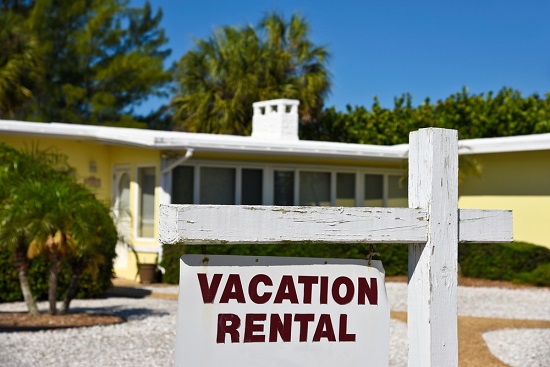
Who is Responsible For Pest Control in a Rental Property?

Nobody likes pests. They can accelerate the decay process, affect the health of animals and humans, spread diseases, and destroy property. Worse, hiring a pest control expert is not cheap.

pest infestation is an annoying problem. This becomes more frustrating when people point fingers. Many landlords believe that tenants brought pests to the rental property with them. Tenants, on the other hand, believe that pests were already present on the property before they arrived. Therefore, the landlord should be held responsible for any infestations.

It’s essential to identify who is responsible for pest control and what they can do. This will avoid any disputes between tenants and landlords.

What are the Most Common Pests that Infest Rental Properties?

Pest control can be applied to many different infestations. People often think of pests in terms of rodents and fleas. But, it also includes other critters and creepy crawlies like:

Who is Responsible For Pest Control on a Rental Property?

Pest control falls under the landlord’s responsibility. A lot of residential lease agreements may include what they refer to as an implied warranty of habitability. This basically means that landlords must provide tenants with a property that meets certain conditions and is free from any health hazards or other dangers.

Even if there aren’t specific health or housing codes, property owners still have to comply with basic maintenance such as fixing floors, doors and roofs, exterior walls and other structural components.

Tenants can legally withhold rent from landlords who fail to fix serious problems. If the property is declared uninhabitable, the tenant can terminate their lease and request to move out.

What Are The Responsibilities For Landlords When It Comes to Pest Control?

Landlords must provide livable housing for their tenants. Pests can make a property uninhabitable or unlivable. Property owners are responsible for pest control.

Pest control is the application of pesticides on the property and surrounding area to eradicate pests. Pest control should be performed at least once a quarter, or every two to three weeks. To maintain consistency in habitability, pest control treatments need to be performed periodically.

Pest Control Is The Landlord’s Responsibility

To ensure pest-free rental homes, inspect the property before the tenant moves into it.

It is important to address structural problems that could make the property more vulnerable to pest infestations, such as cracks in walls and window screens that are ripped or missing, gaps in doors, cracked windows, and other issues that could allow pests to gain entry to the home.

Regular pest control should be arranged. This should be done at least once every two to three weeks.

Tenant complaints about pests should be dealt with as soon as possible. A trusted local exterminator can help you complete the job quickly and professionally.

Is a tenant responsible for pest control?

The property owner is responsible for eradicating pests that have been caused by natural factors. However, if the tenant was negligent and caused the pest infestation then the cost should be shouldered by the tenant.

How can you tell if a tenant is responsible for the pest infestation?

These are some of the most common signs that indicate a pest infestation:

  • Refusing basic property maintenance, such as not covering garbage bins or properly disposing of garbage, and leaving food in the pantry.
  • Activities that cause excessive moisture in the home such as leaving water puddles in basement.
  • The property’s structure is being damaged, openings are created in the floor or wall that allows pests to enter the home.
  • Failure to report any property damage to the landlord, or to the property manager, is a sign of negligence. A tenant who fails to promptly report pest infestations may be held partially responsible.

Last Thoughts

Pest control in Myrtle Beach is typically the responsibility of the property owner. However, this does not mean the tenant will always be in the clear. Tenants should ensure that the property meets minimum sanitation standards. The landlord is responsible for pest control unless the tenant has shown negligence.

Call Zap Pest Control Inc. now and let our team help get rid of pests from your rental property.

Zap Pest Control Inc.
2507 Forestbrook Rd Suite G
Myrtle Beach, SC 29588
843-654-1927
http://zappests.net/

Pest Control Strategies for Vacation Rental Investors

You don’t want pests to ruin your vacation rental investment. Regardless of the type of pest — bees, wasps, bedbugs or ants – they can ruin your guests’ vacation and cost you a lot in terms of lost reservations as well as pest control services.

It is best to prevent pests from making your rental properties their home. These are some pest control tips for vacation rental investors that will keep the bugs away from your property.

Pest Control Tips For Vacation Rental Properties

Strategies for Roaches

Roaches, particularly small German cockroaches are one of the most perilous pests and they can be difficult to eradicate once they have made your rental property their home. You will need professional help if you suspect that you have a roach problem.

Begin by making sure your property is clean and tidy. Roaches will eat almost anything, even wallpaper paste. To prevent roaches from creating nests behind sofas or beds that aren’t moved, make sure to keep food contained.

Strategies to Get Rid of Bed Bugs

Bed bugs are the most difficult pests to eradicate. These pests can be brought along by travelers from other hotels and travelers’ homes through their luggage. Once they are inside, it’s almost impossible to get rid of.

Bed bugs are a major problem in home-sharing. Bed bugs can result in your property being temporarily closed down until you prove that a pest control company in Myrtle Beach has been hired to fix the problem.

Bed bugs can be found almost anywhere, so it is impossible to prevent them from getting into your home. However, you should make it a habit to inspect your home for signs of bed bugs. You should immediately take your property listings offline if you suspect that your rental property is infested.

Strategies for Bees/Wasps

This strategy is comprised of two phases. Honeybees, and other similar insects, are great pollinators and are welcome in gardens and fields. Wasps can be aggressive and cause problems on your property if they nest on it.

You can call a local beekeeper to have the hive moved if a honeybee, or other beehives, starts growing on your property. They are currently endangered and there are not enough bees left. It is important to protect them wherever you find them.

Call an exterminator if you find yellow jackets, wasps, or hornets in your home. These pests can be very aggressive and could cause serious injury to your guests, particularly if they are allergic.

Strategies for Ants

There are many different kinds of ants that could enter your rental property depending on where it is located. First, identify the ant to determine what it may be eating. Carpenter ants prefer wood and cellulose while sugar ants are more inclined to choose sweet foods.

Keep your property as clean as you can, just like roaches. Eliminating the ant’s food source can discourage them from looking for refuge in your vacation home.

Pest Control for Vacation Rentals

You should pay close attention to any complaints that you get about pests. Your visitors may not want to return to your vacation rental. You need to have it checked and dealt with right away by a professional pest control company.

Call Zap Pest Control Inc. now if you need the help of an exterminator to get rid of pest infestation from your rental property.

Zap Pest Control Inc.
2507 Forestbrook Rd Suite G
Myrtle Beach, SC 29588
843-654-1927
http://zappests.net/